
Second Honeymoon
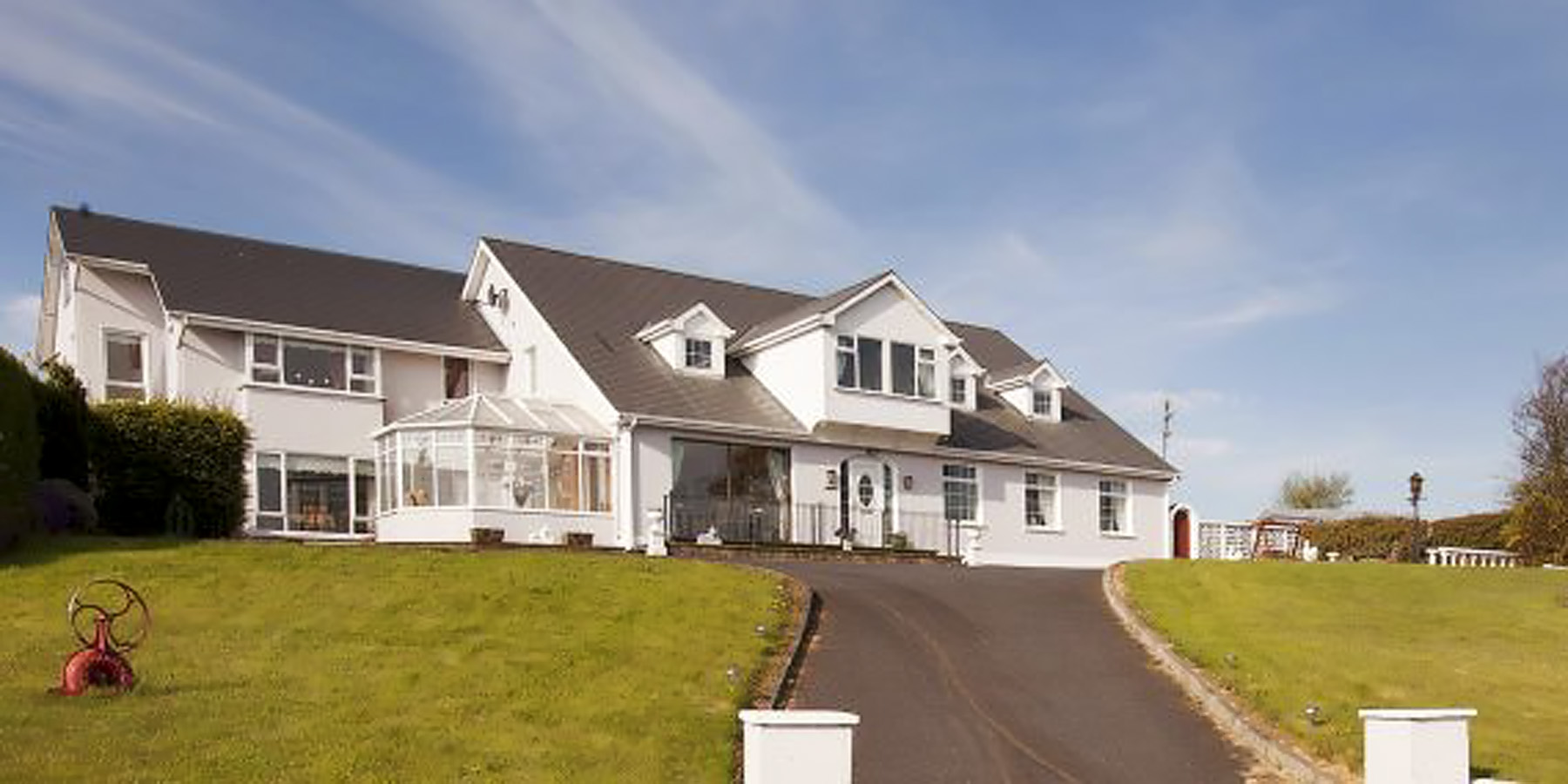
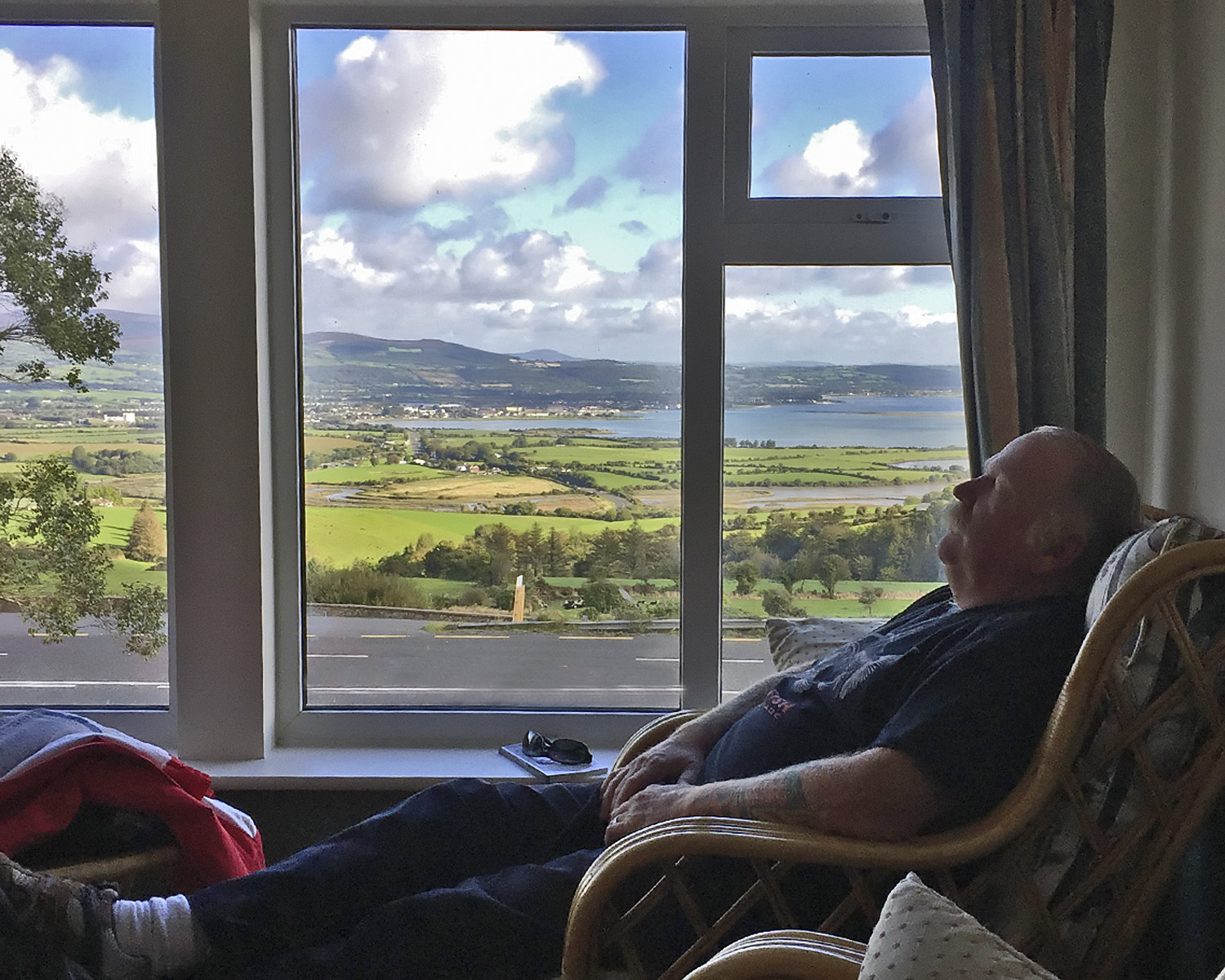
The Seaview B&B in Dungarvan, County Waterford, Ireland. We thoroughly enjoyed this place when we were here twelve years ago on our honeymoon, so we naturally wanted to stay here again on our second honeymoon. It’s conveniently located and almost walking distance from the Marine Bar – our favorite pub in Ireland. Things have changed a little over twelve years, the Marine Bar doesn’t draw as big a crowd as they used to and the lovely lady that used to run the Seaview passed away; however, the Seaview is still a very relaxing place to stay. I’m sure this old man would agree…
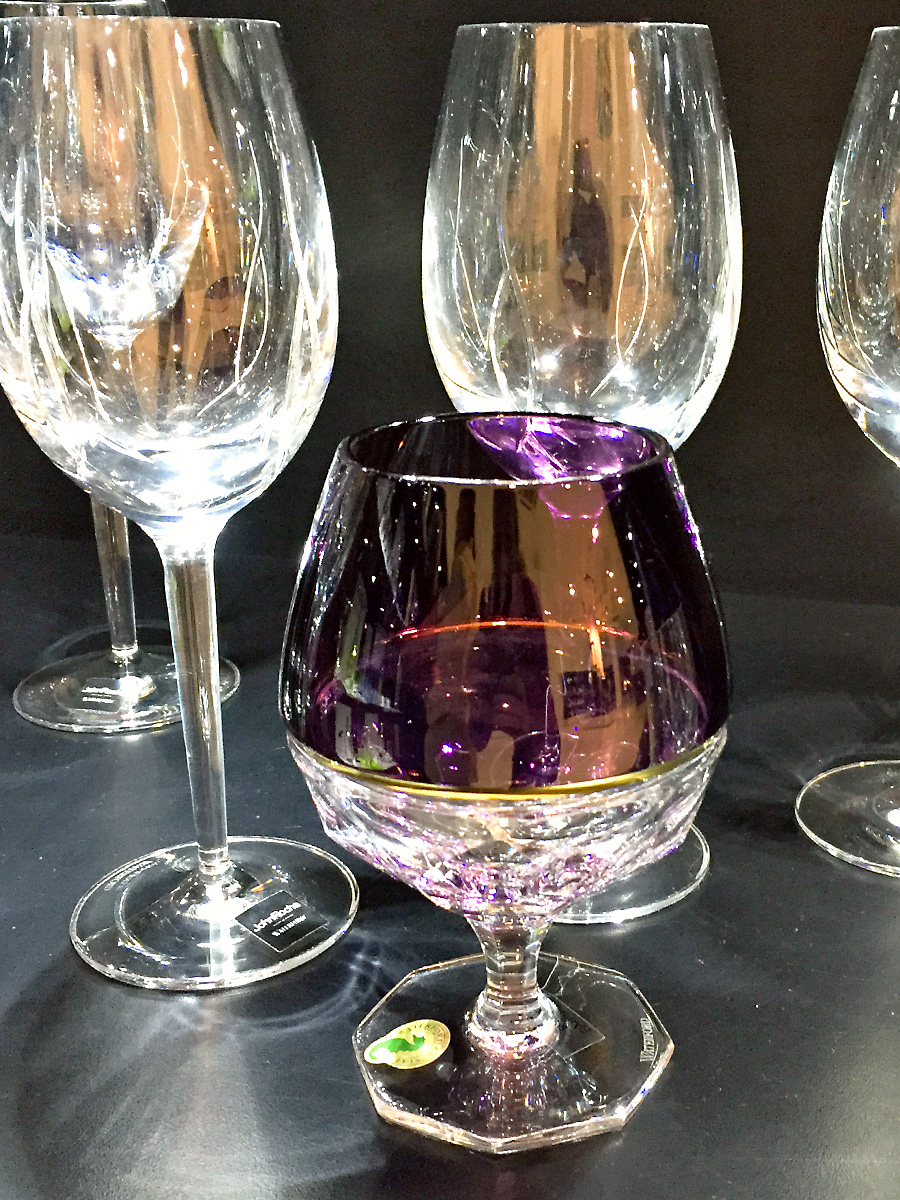 – I told Robin that her anniversary present was waiting for her in Ireland. She found it at the Waterford crystal factory. Elysian brandy snifters and four more Rocha wine glasses – Happy Anniversary my dear.
– We wanted to spend some time walking around and taking in some of the history in Ireland and Waterford was an excellent place to do that. The name Waterford is derived from an old Norse word Vedrarfjordr. It’s generally stated that Waterford was established by the Vikings in 914 but there are other accounts that say it was 1,000 years earlier. Either way, there is a whole lot of history in the oldest city in Ireland.
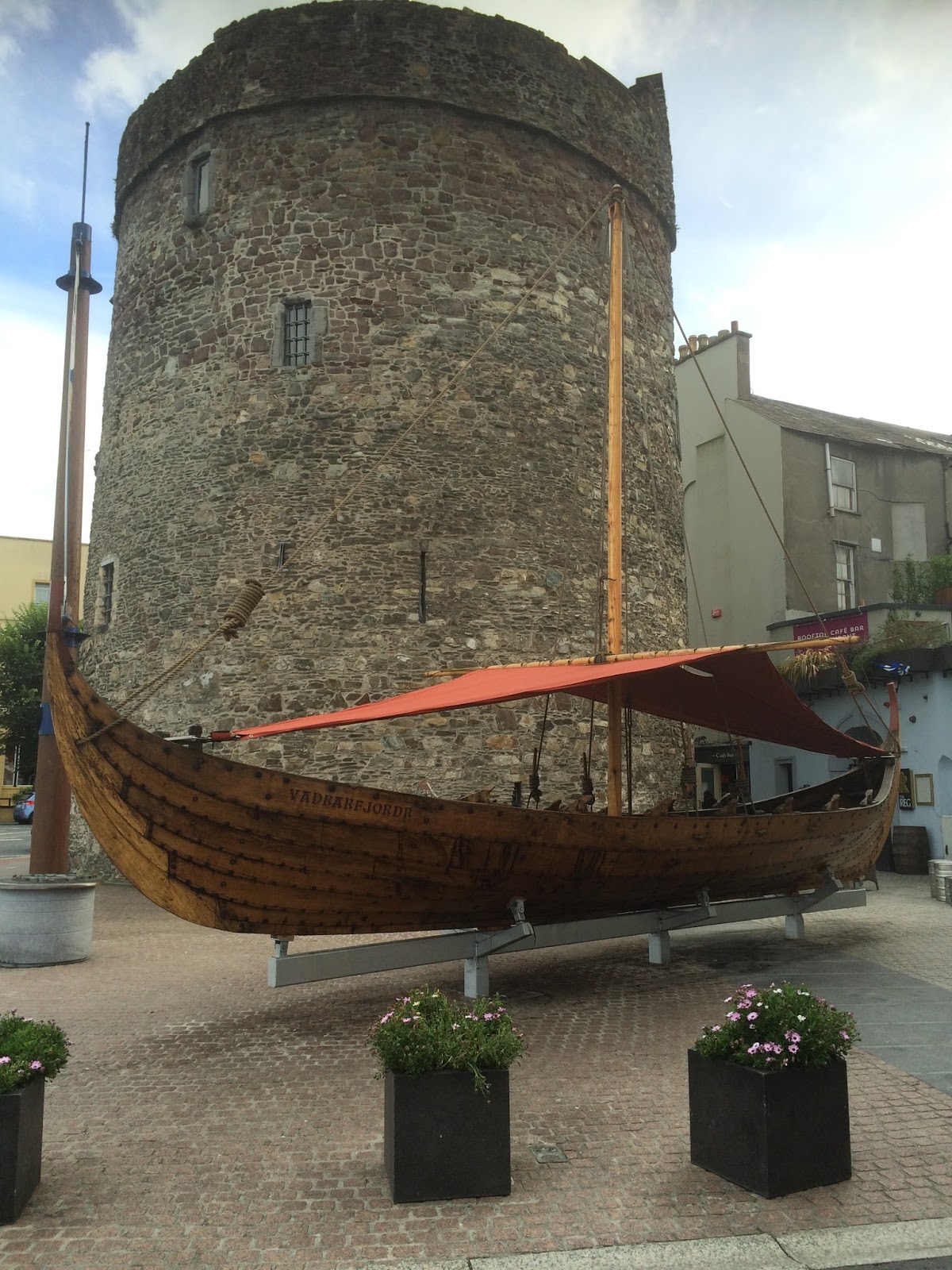
– We spent a couple hours walking around the Viking triangle; our first stop was Reginald’s Tower. The first tower was built in 1003 and has been used as a mint, prison, military storehouse and as many people’s residence. The present stone tower dates back to the mid 13th century. And this place isn’t some BS reconstruction, it’s the real deal. The walls are 7 feet thick at the top and TEN feet thick at the bottom. Today the tower is a museum, if you get the chance you should take the self guided tour. You’ll walk up to the 4th floor of the tower where you’ll watch a video about the history of the tower and the town of Waterford. Throughout the tower are displays of artifacts that have been excavated from the area.
– Right outside Reginald’s Tower is a reconstruction of a viking war ship. As I remember, this ship has actually proven itself sea worthy and was built using the materials and methods available to the people at the time.
– The last picture here is part of the original city walls. They were built at the same time as Reginald’s (stone) Tower. It’s amazing to me that all these historical things are more or less taken for granted in Ireland. Probably because they are so abundant. It’s also a tribute to the people that they aren’t covered in spray paint or otherwise vandalized.
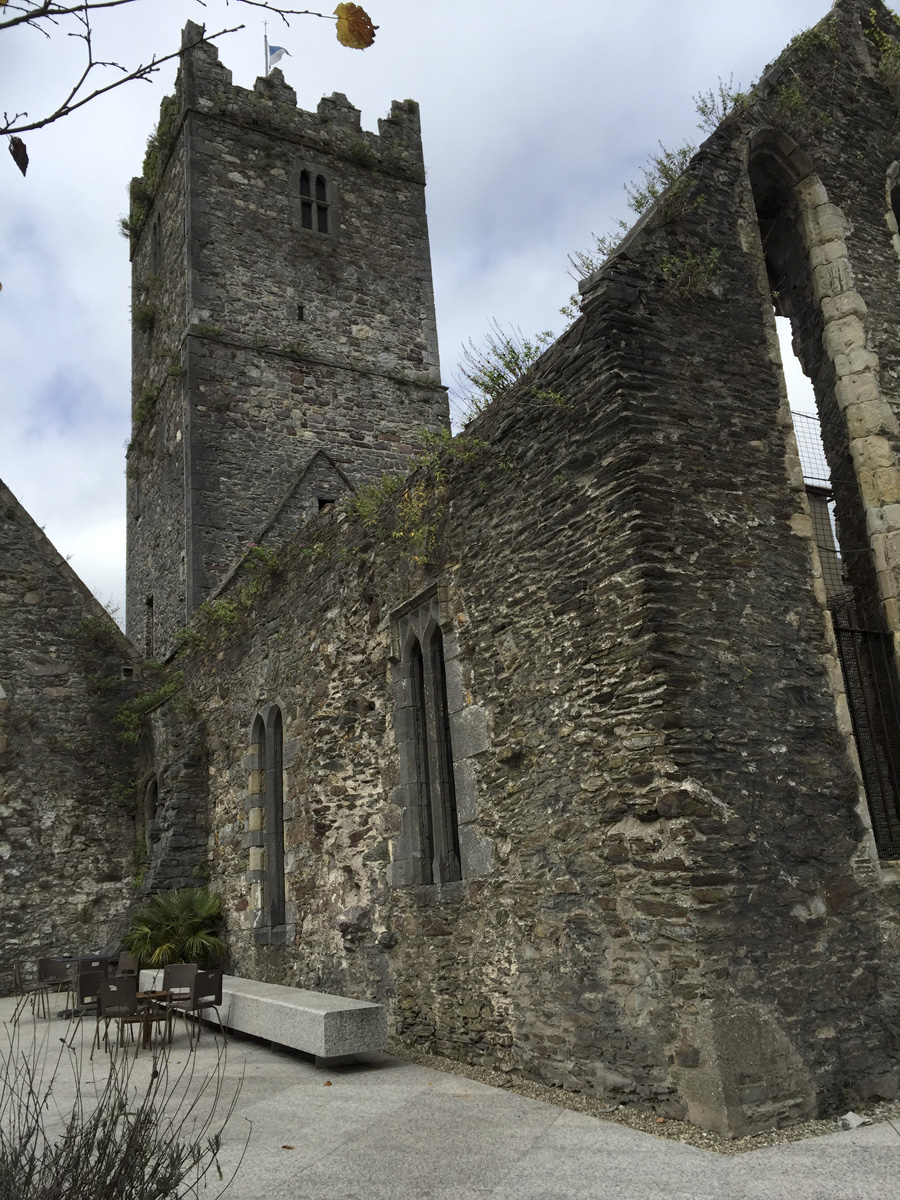
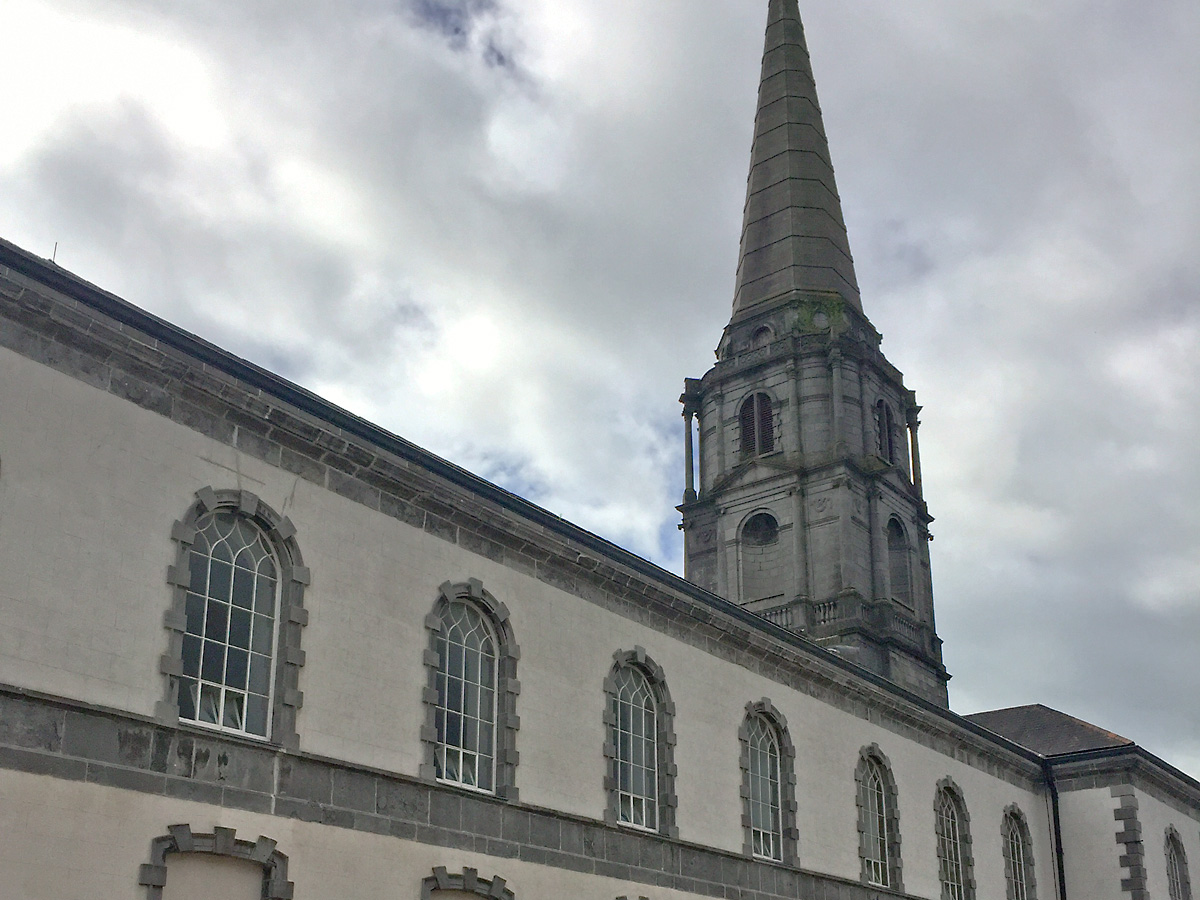 Our last stop in the Viking Triangle was Christ Church Cathedral. The first church was built on this site in the 1100’s, the current building was built in the 1700’s. Many times this place of worship changed hands and when it did the services practiced within the walls changed as well.
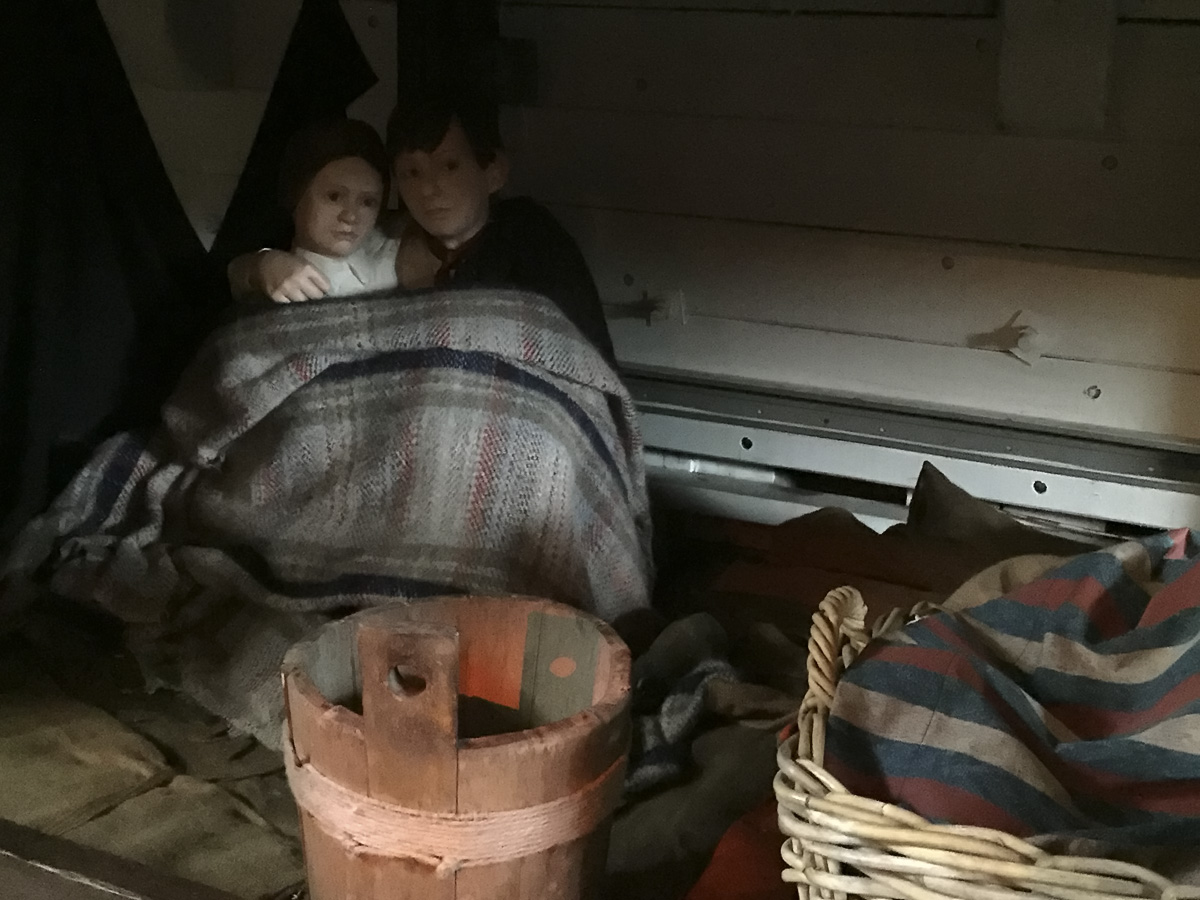
In the city of New Ross (20 km north of Waterford) we visited the Dunbrody. This is a reproduction of one of the ships used to transport Irish citizens away from the island during the potato famine. They have a very interesting guided tour of the ship that is worth the time. Whole books have been written on the subject of the potato famine. If you’d like to know more, but don’t want to read a whole book, you can get a pretty good understanding here. I read one of the books – I had no idea….
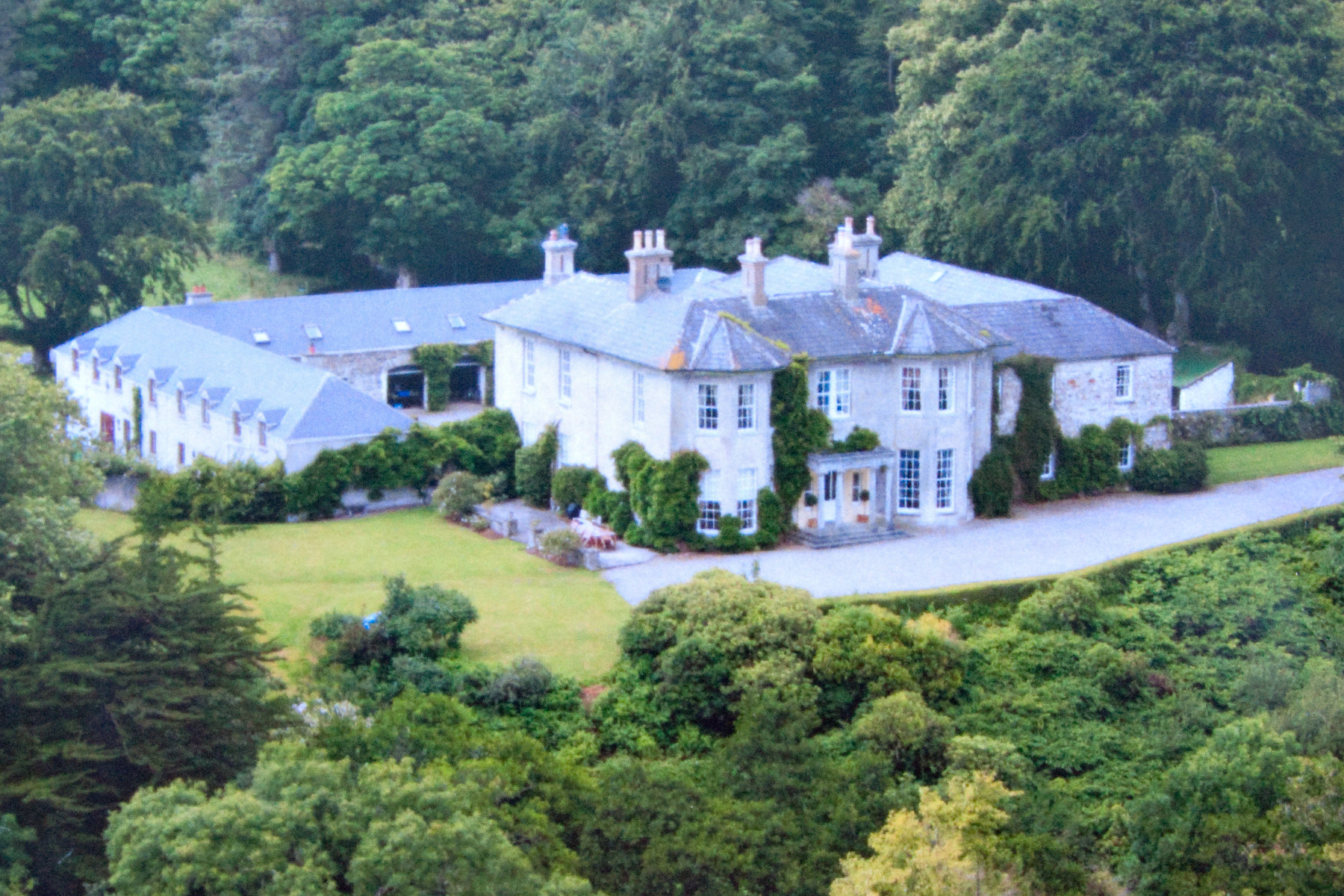 After leaving the Seaview, we headed west to County Kerry on the west coast where we stayed in a cottage at the Beaufort House, just outside Killarney. Built before 1600, it is the oldest inhabited space in Kerry. I knew Robin would like it because this is where I stayed when I was playing golf (just a few days prior) with the Blue Water Boys (friends from Atlanta and Florida). Thank you to our wonderful hosts and owners of Beaufort House, Donald and Rachel Cameron.
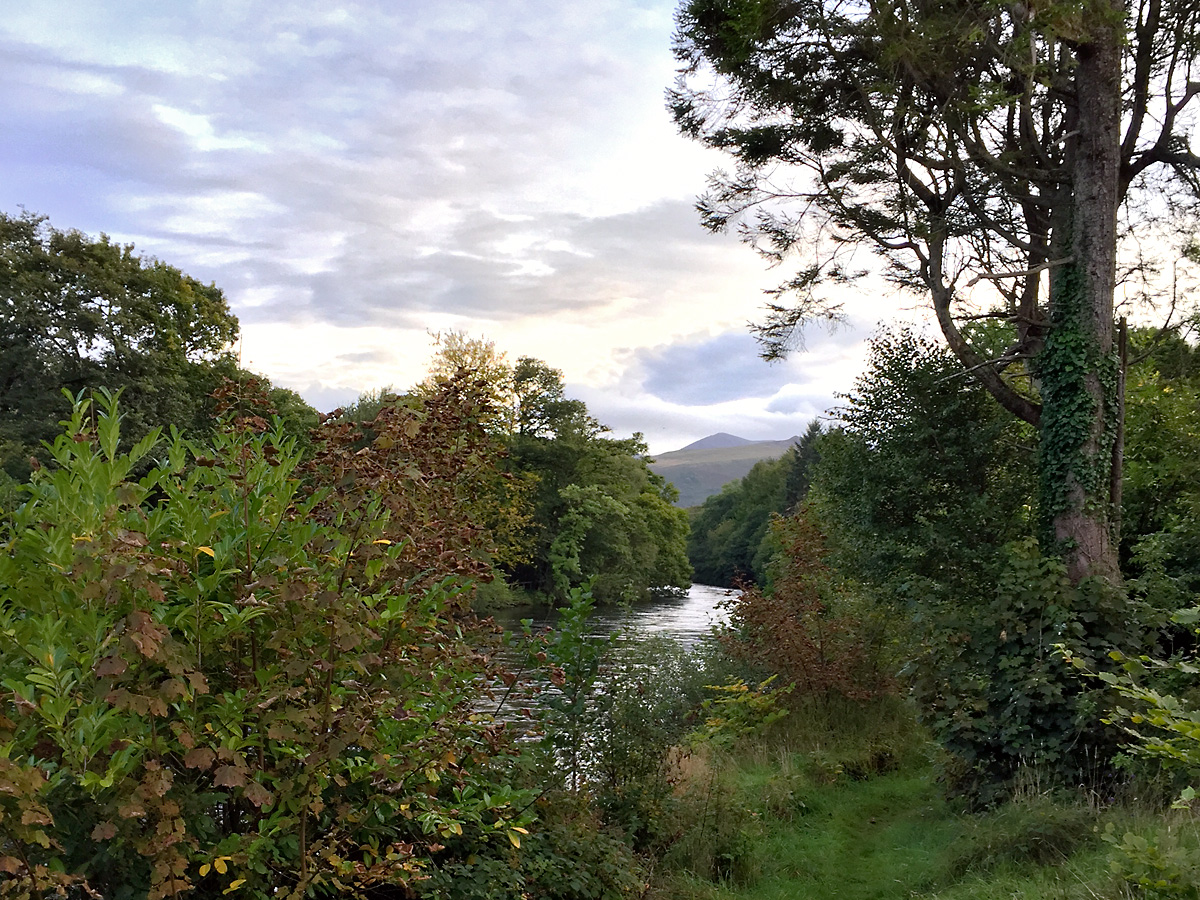
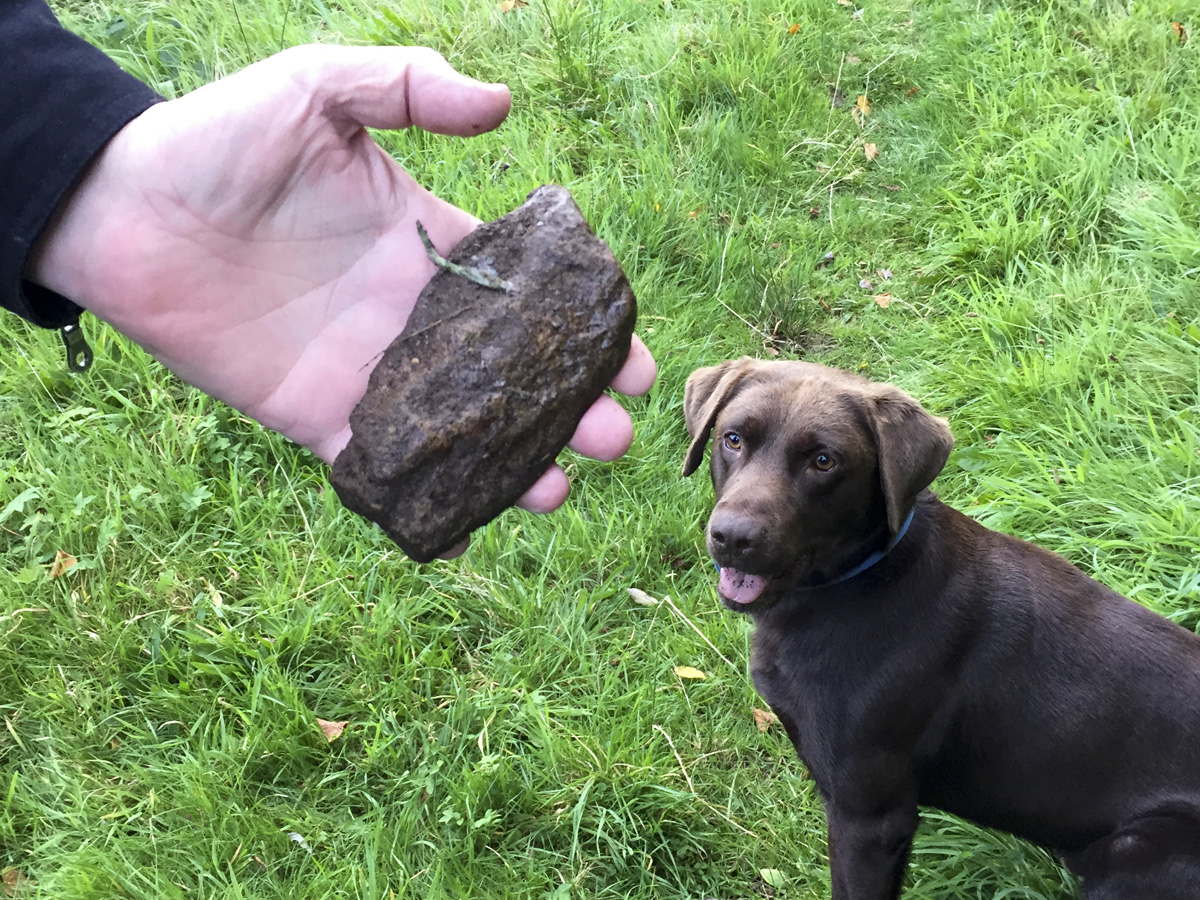
The grounds are quite nice and the River Laune flows close enough to hear the water. I had a couple chances to go fishing in that river (lots of other people were) but never took advantage. We walked down to the river and one of the house dogs came with us. This chocolate lab really wanted to fetch something even if it was a rock. I got tired of throwing it before he got tired of bringing it back. They have three chocolate labs there, one is the grande dame, then this one that only wants to play, and another that is very fat. One day we were getting in the car to head for the golf course and one of the golfers asked the owner if he ever took his dogs hunting. He laughed and said, “I don’t know what you’d hunt with these dogs – maybe tennis balls (referring to the playful one) and this one (the fat one) – he might be good at hunting sausages.” We all thought that was hilarious – and from that point on, we called those two dogs Tennis Ball & Sausage.
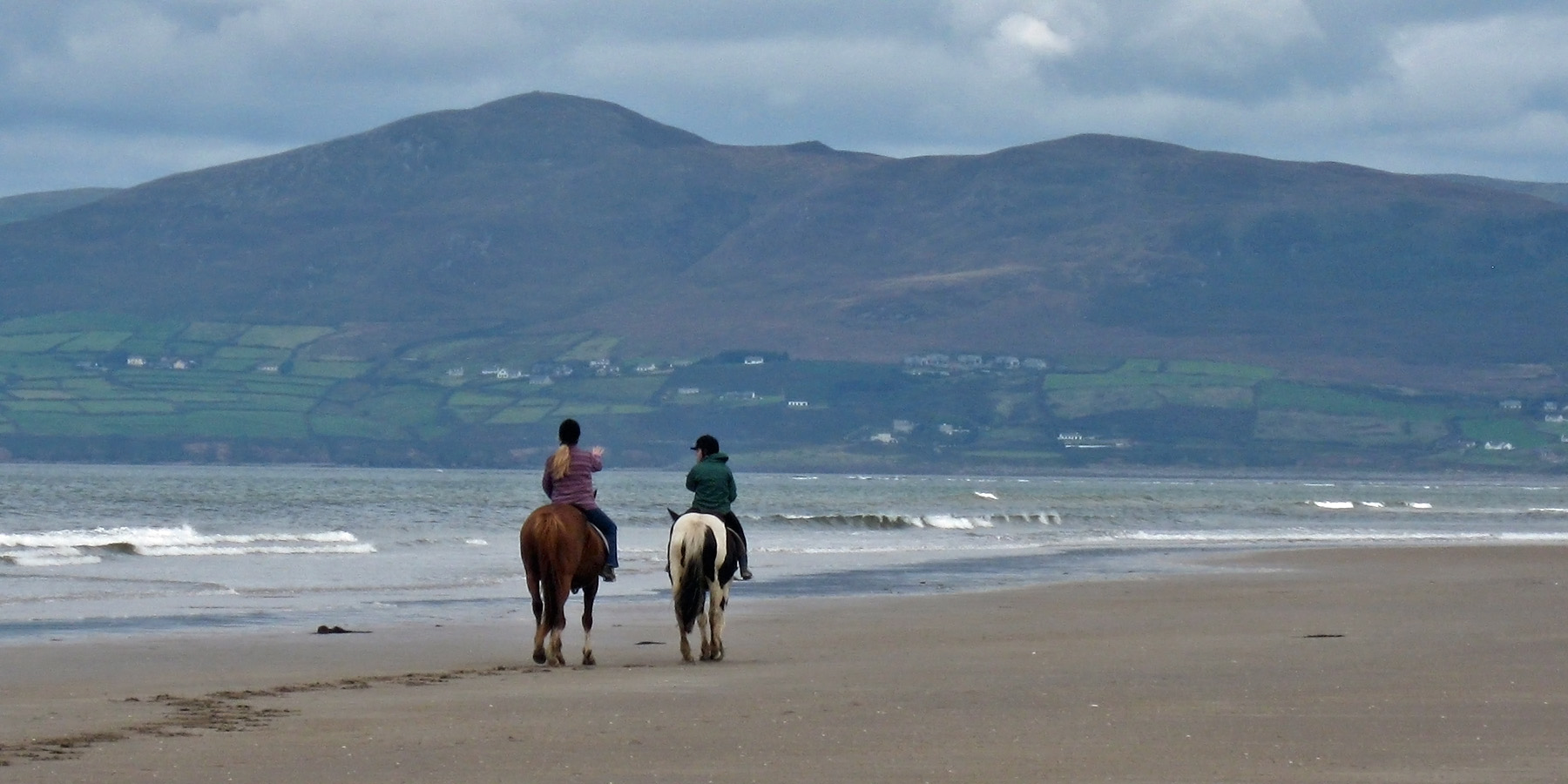
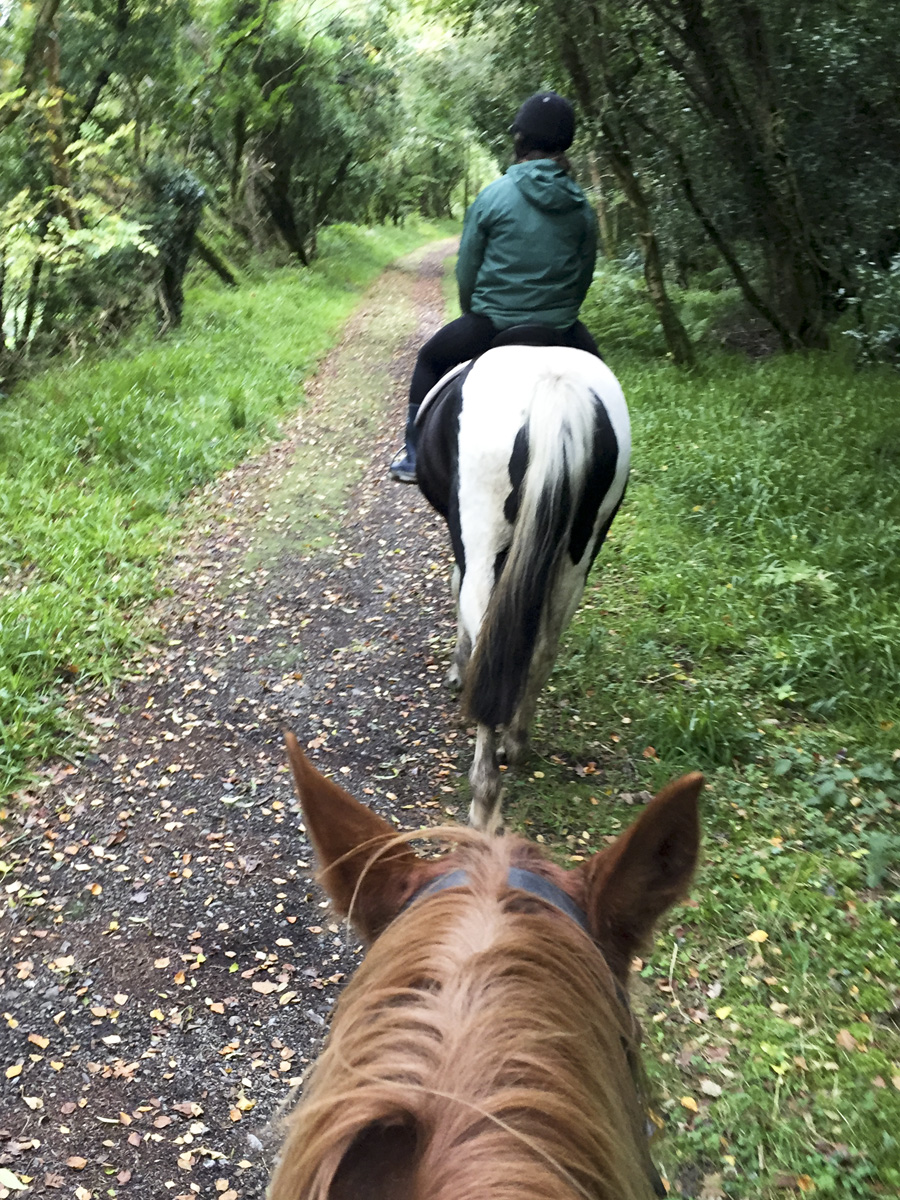
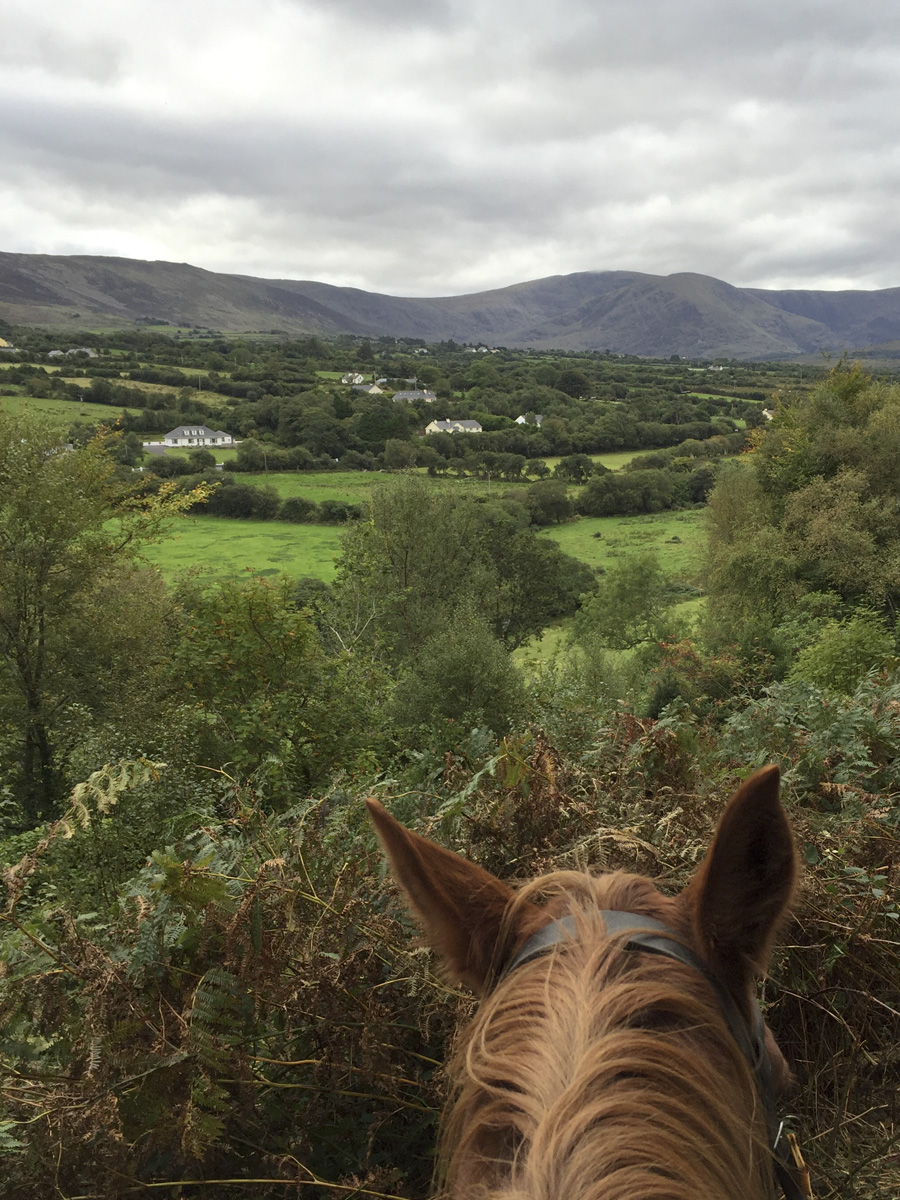
From Killarney we set out on several little day trips. One day we went on a motorcycle ride, and another day a somewhat more traditional mode of transportation was enjoyed. Robin had a wonderful time riding through the local mountains and finishing her ride along the beach then back to the stable through the dunes. And of course, she made a new friend along the way – Shannon, the girl from the stable that accompanied her.
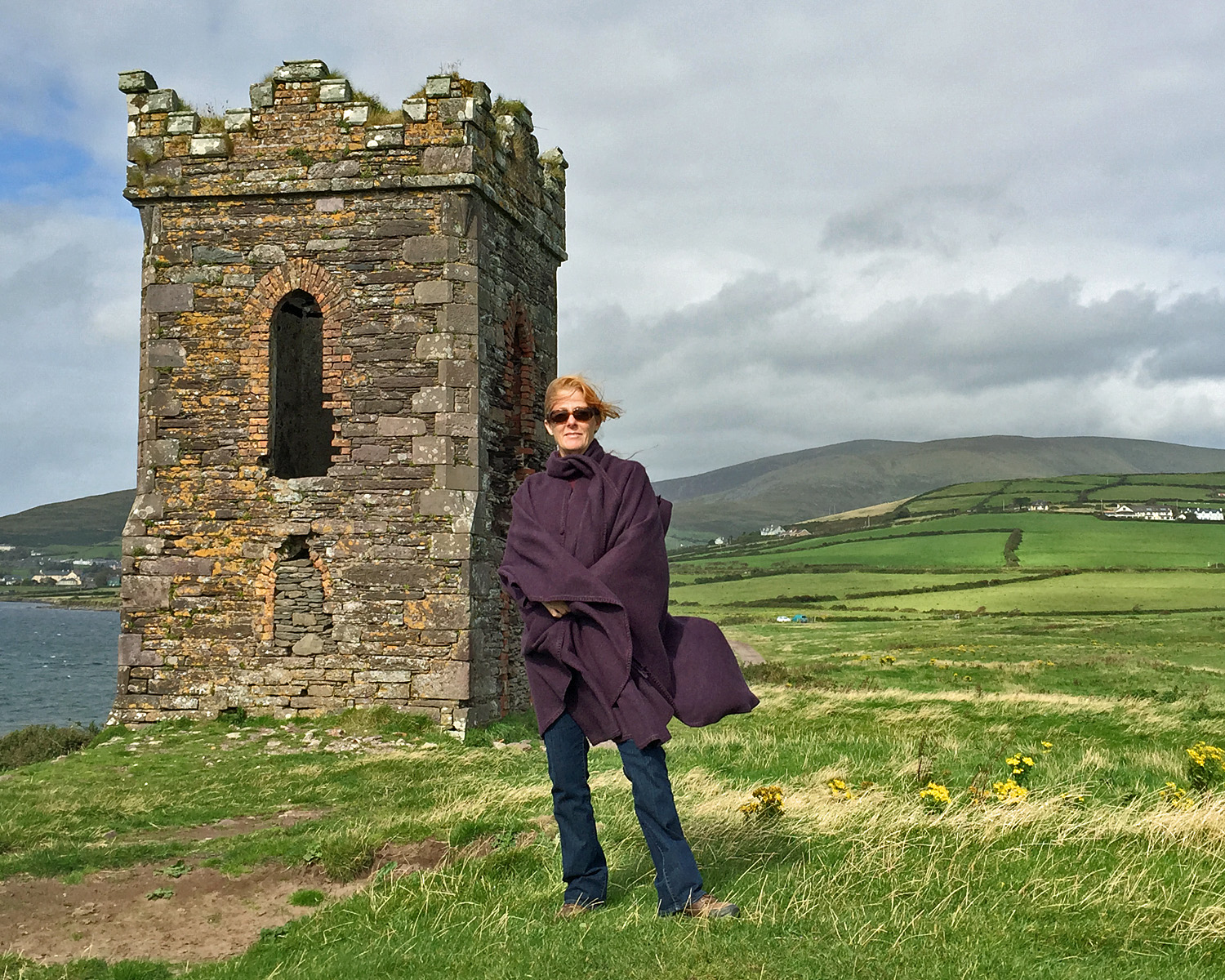
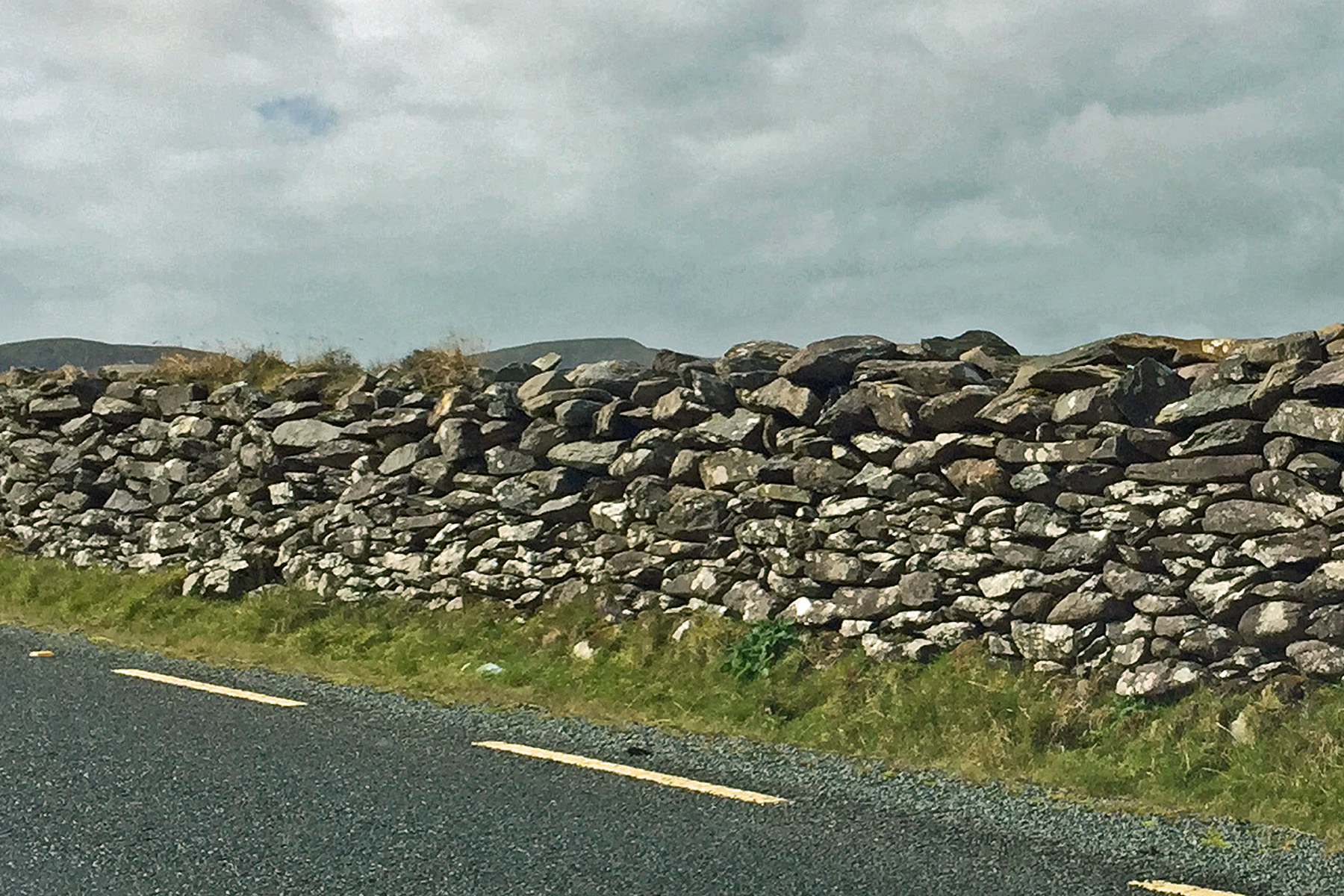 Irish K-Rail. Ireland is a rocky country. It is much easier to farm land that’s been cleared of rocks, but what to do with them? Dry stack stone walls defining property lines or different fields within property lines seems to be a good answer. Many of these walls were built during the potato famine. The Irish would go to work building walls and roads for landlords who paid them with small amounts of food. The Irish are a proud people and would not take food (even to prevent starvation) that they hadn’t earned. At the entrance to Dingle Bay this is Hussey’s Folly, errected by land agent RM Hussey during the famine to provide work for his tenants – it has never served any purpose other than as a monument from those difficult times.
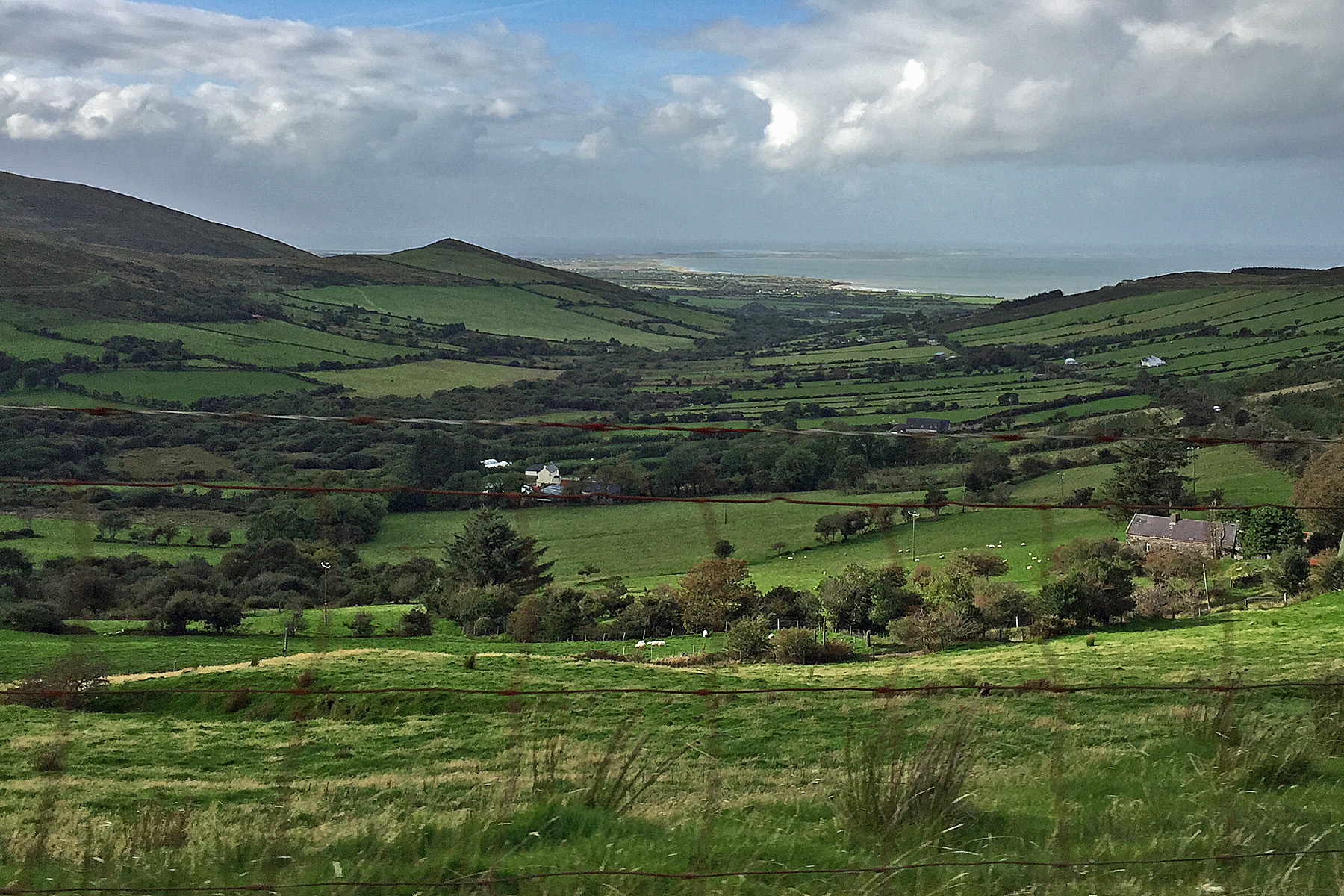
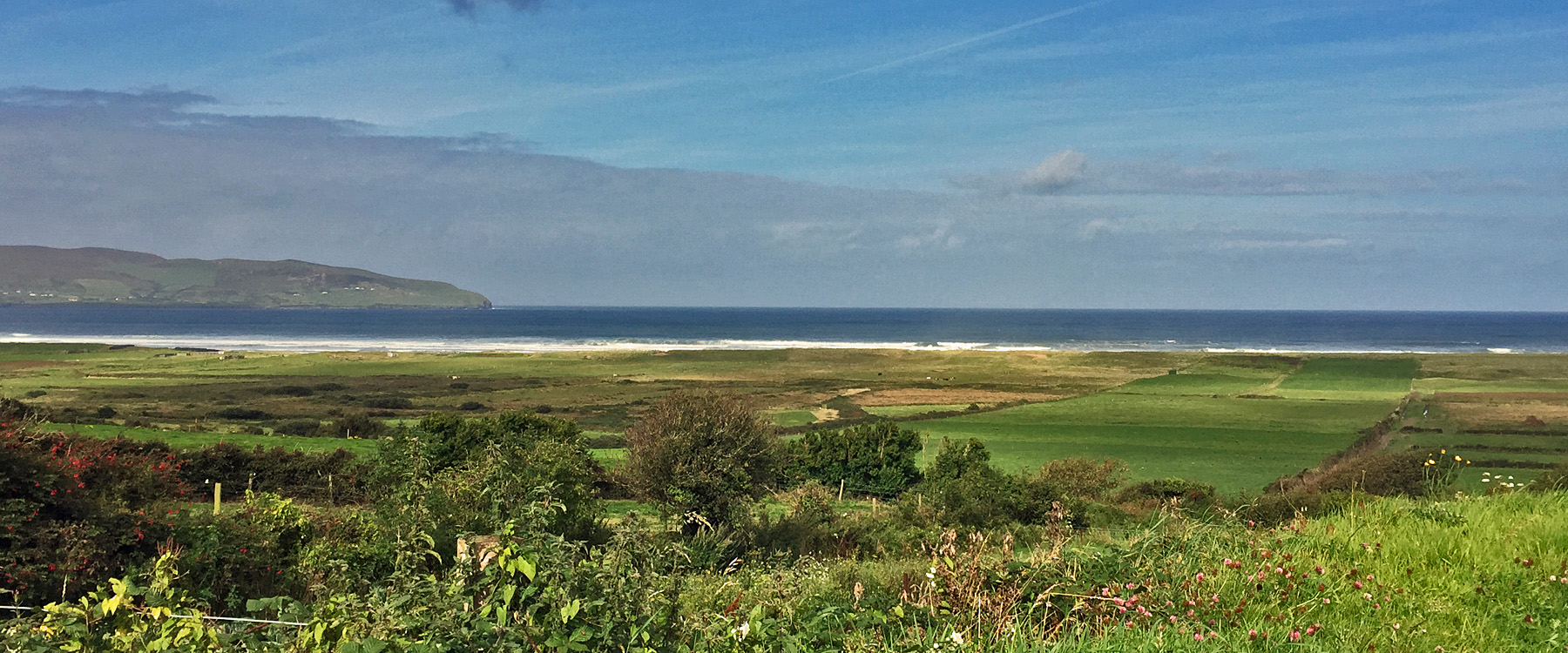
The landscape is beautiful and you could spend all day taking pictures just like these. Here are a coupe of our favorites.
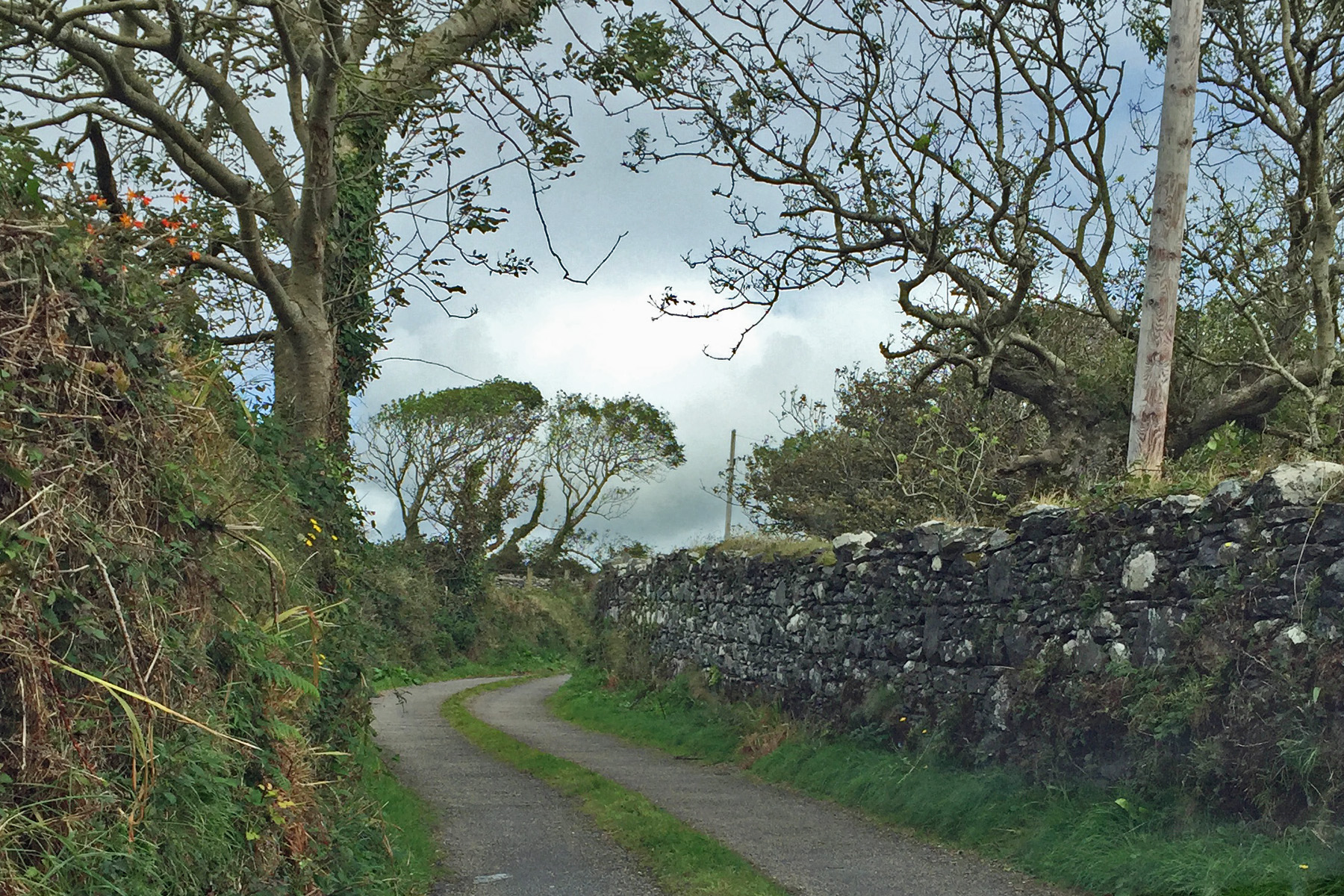
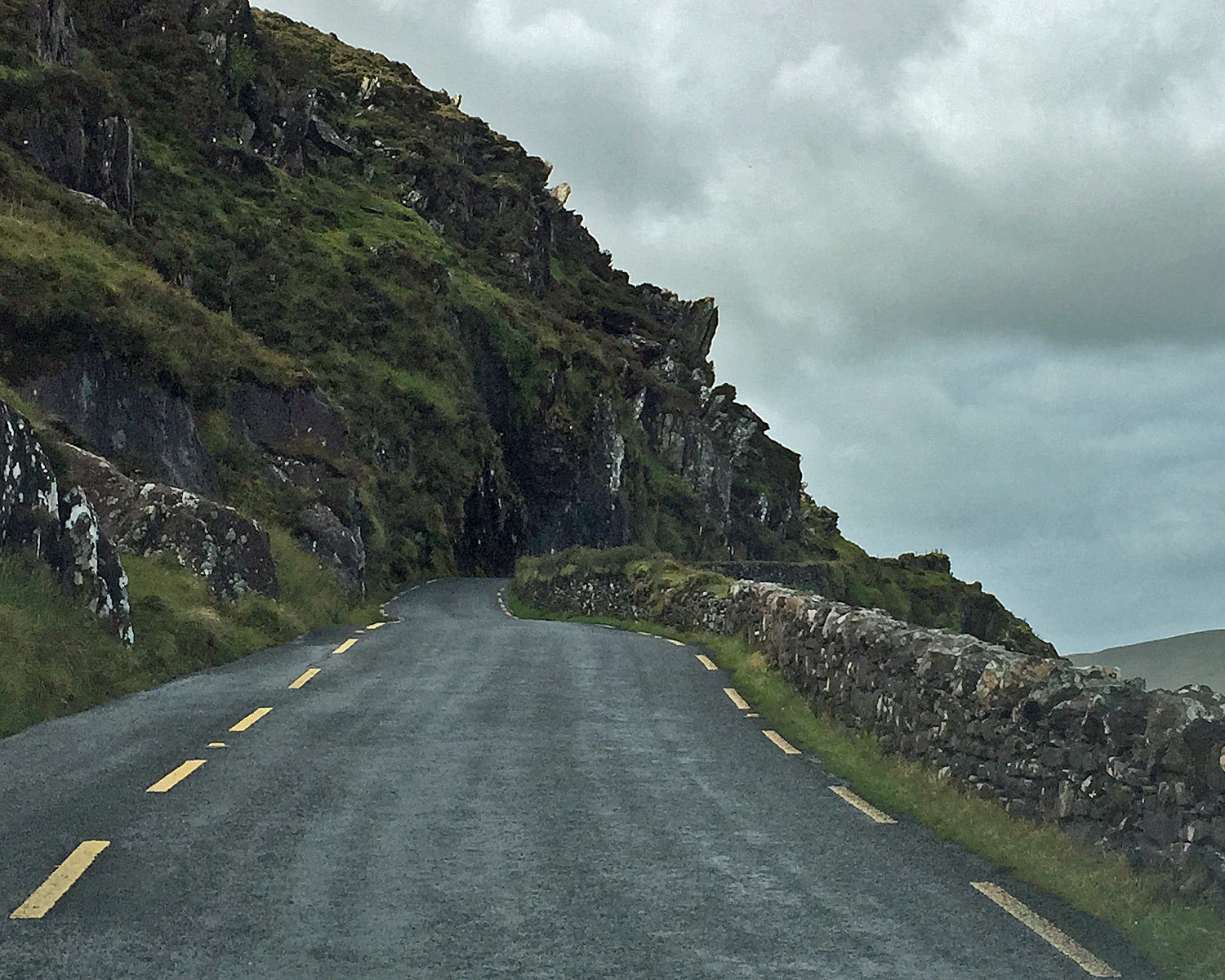
The roads in Ireland are crazy. Not only are you trying to deal with driving from the passenger seat you’re also having to navigate many two way roads so narrow that there is barely room for one vehicle. Lots of vehicles in Ireland have broken side mirrors. I will tell you this – it is NOT for the squeamish; many people prefer to travel via tour bus. The road below the dreaded Connor Pass road. it is one of the most treacherous in Ireland, of course we HAD to go check it out – steep and narrow to be sure.
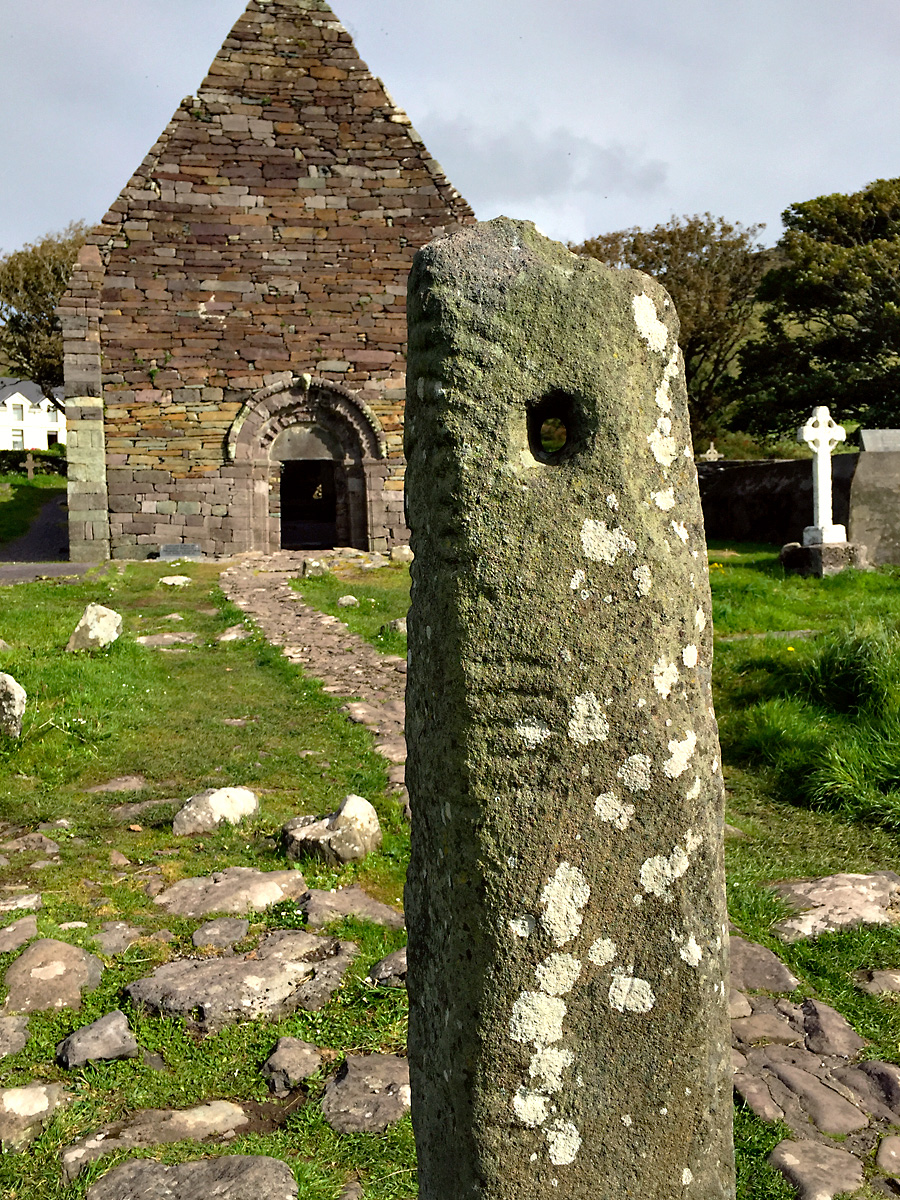 We had a list of places to check out and there were a few of these old church sites on the list. This happens to be one of the oldest in the area and is known as Kilmalkedar Church. Built on this site back in the 600’s and rebuilt in it’s present form in the early 1200’s. The inscription on the ogham stone has been translated but doesn’t really make sense unless it’s a grave marker.
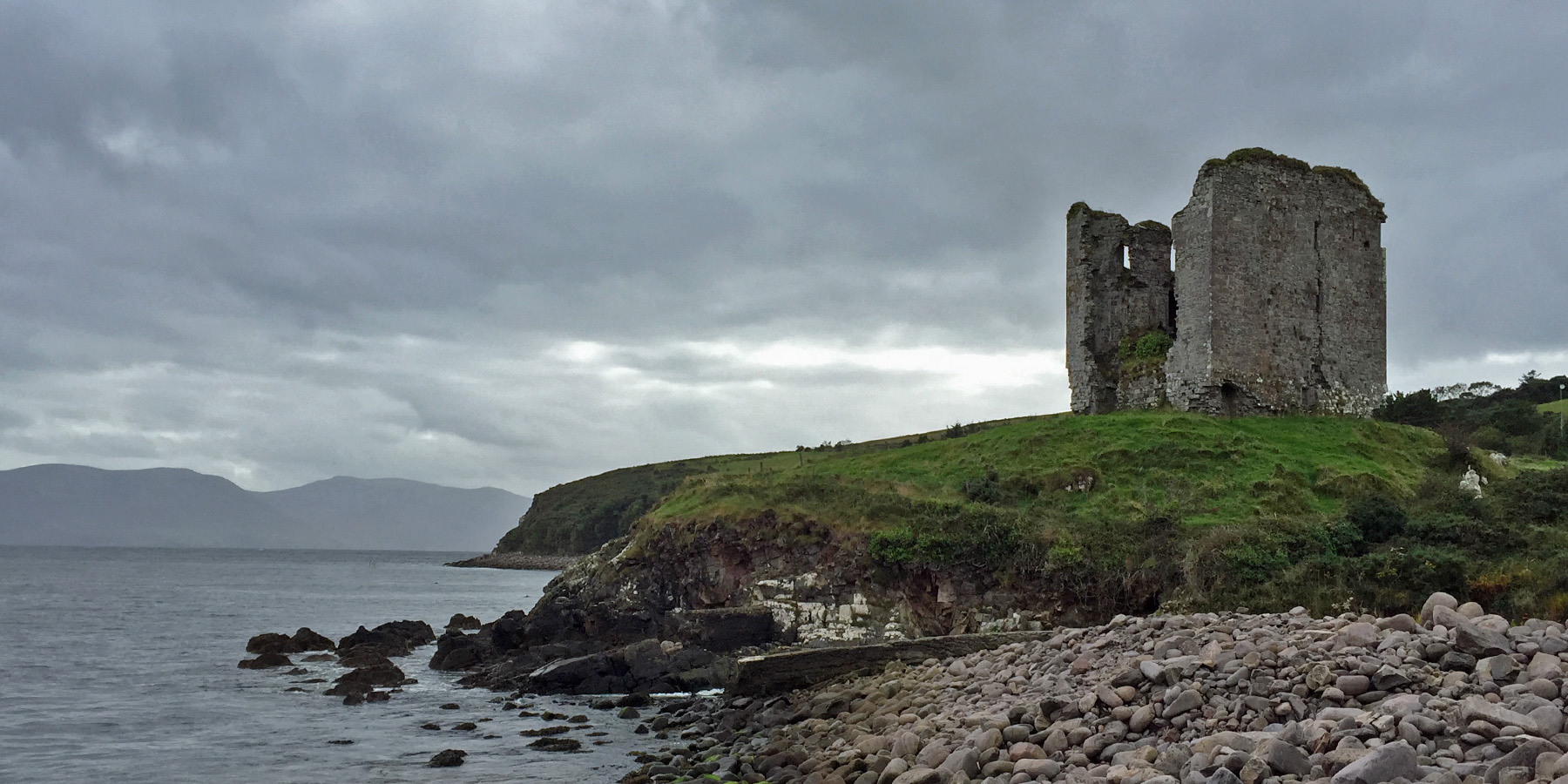
This is Minard Castle. One of the few survivors of Cromwellian Conquest of Ireland. Cromwell set off explosive charges at three of its four corners and the castle did not fall.
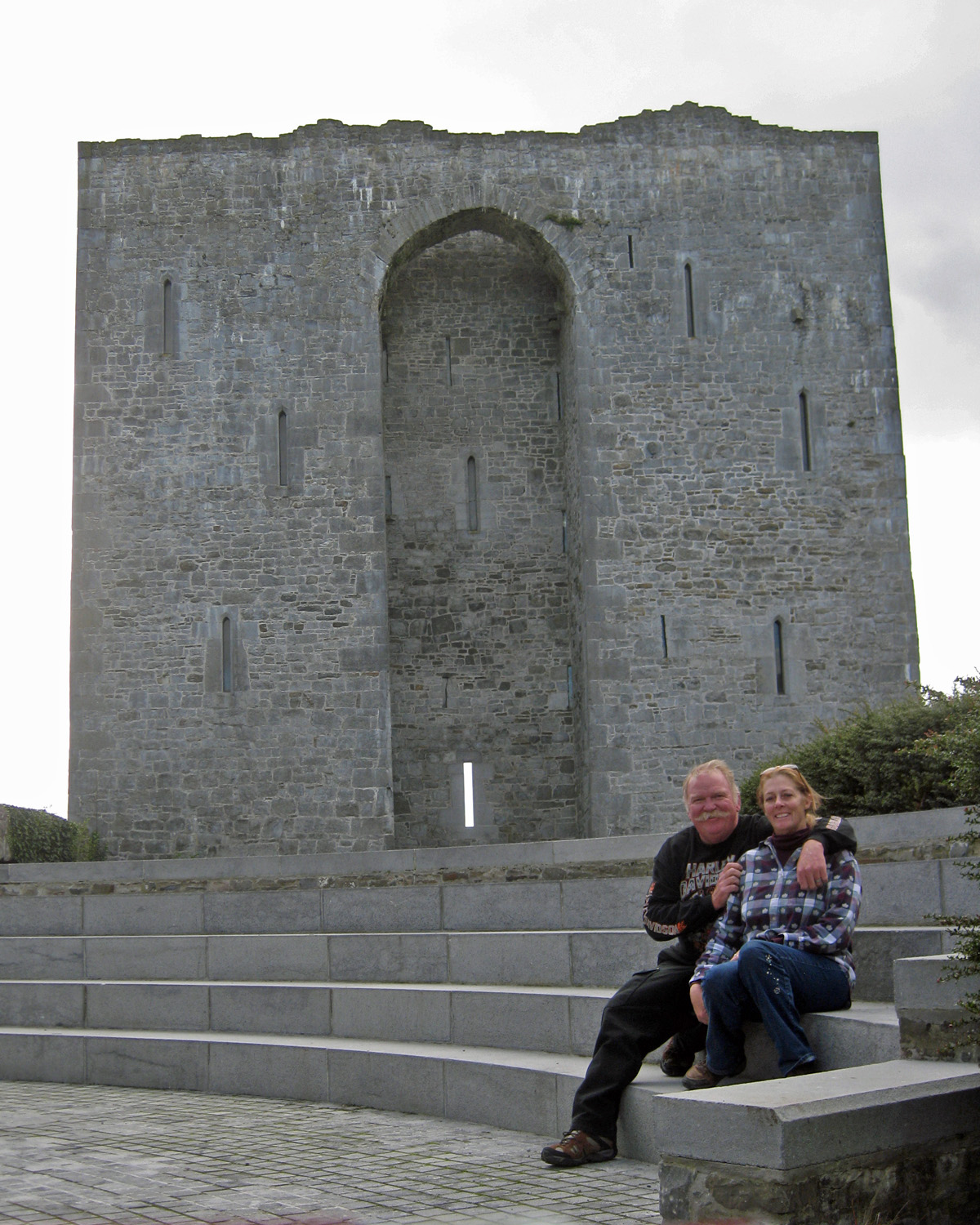
One of the few pictures of us together. This is Listowel Castle – it was closed the day we were there. Don’t plan on doing a whole lot in rural Ireland on a Sunday. We continued on our journey through Limerick & St. Johns Castle then up to the Burren National Park. Burren is rich with historical and archaeological sites. There are more than 90 megalithic tombs in the area, portal dolmens, a Celtic high cross in the village of Kilfenora, and a number of ring forts – among them the triple ring fort Cahercommaun on the edge of an inland cliff, and the exceptionally well-preserved Caherconnell Stone Fort.
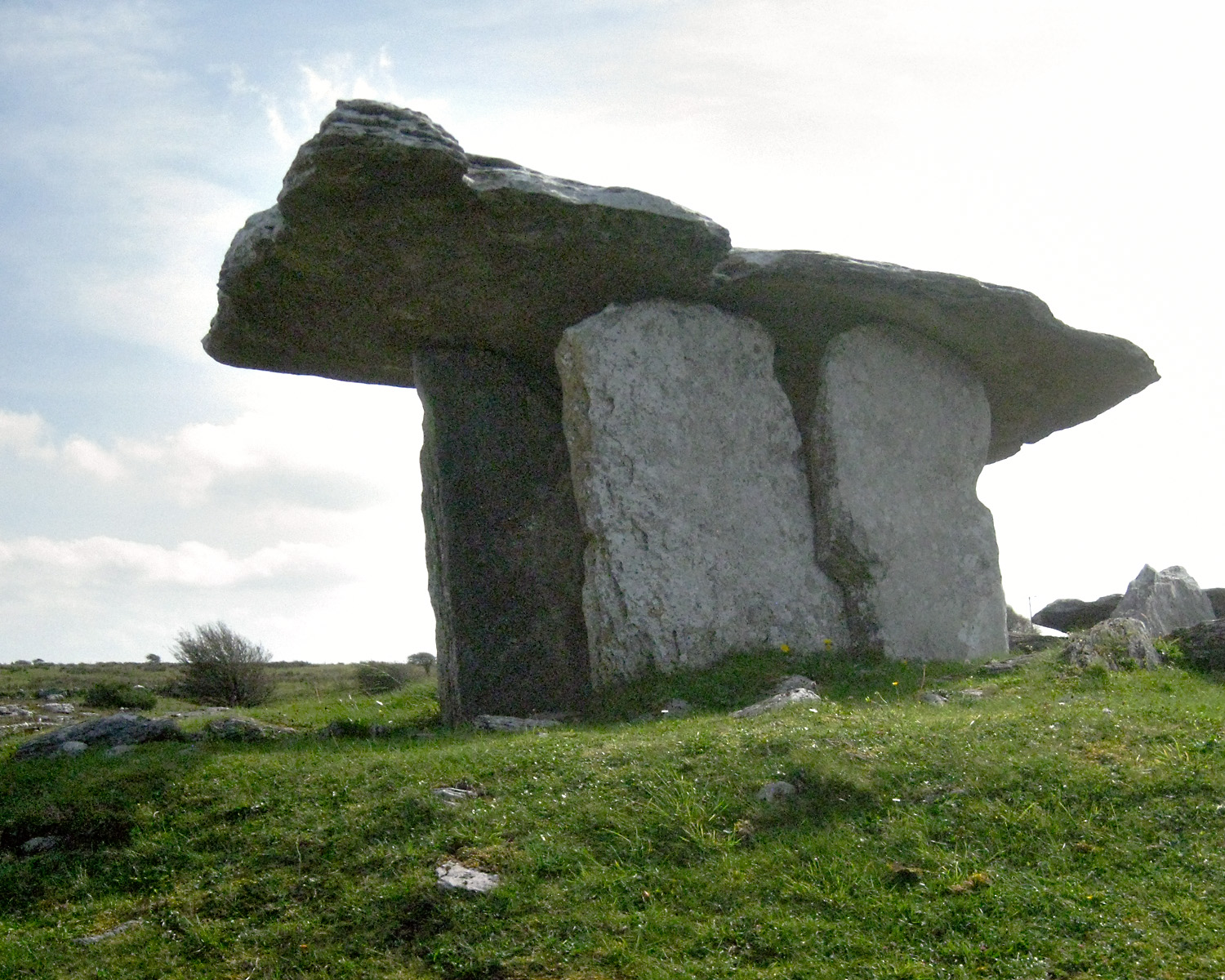
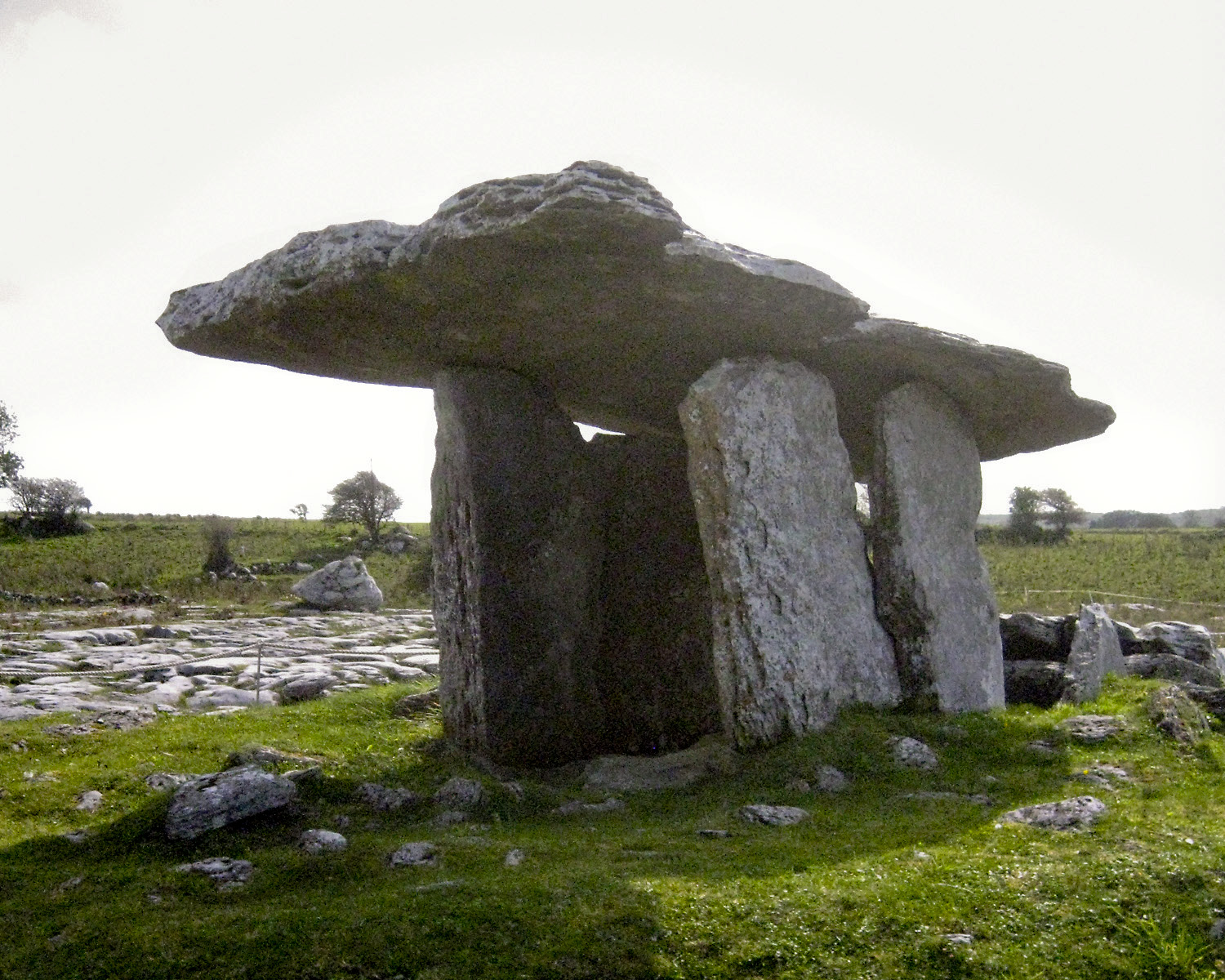
Time was getting short as we were headed back to Dublin but we made time for a stop at the Poulnabrone dolmen. This is probably one of the most photographed sites in all of Ireland. The day we were there the lighting was difficult but I managed to get an okay shot or two. Luckily, the tour buses that frequent the parking lot were absent and we had the area to ourselves for 10 minutes or so. Can you believe, this tomb has been standing here for over FIVE THOUSAND years!!
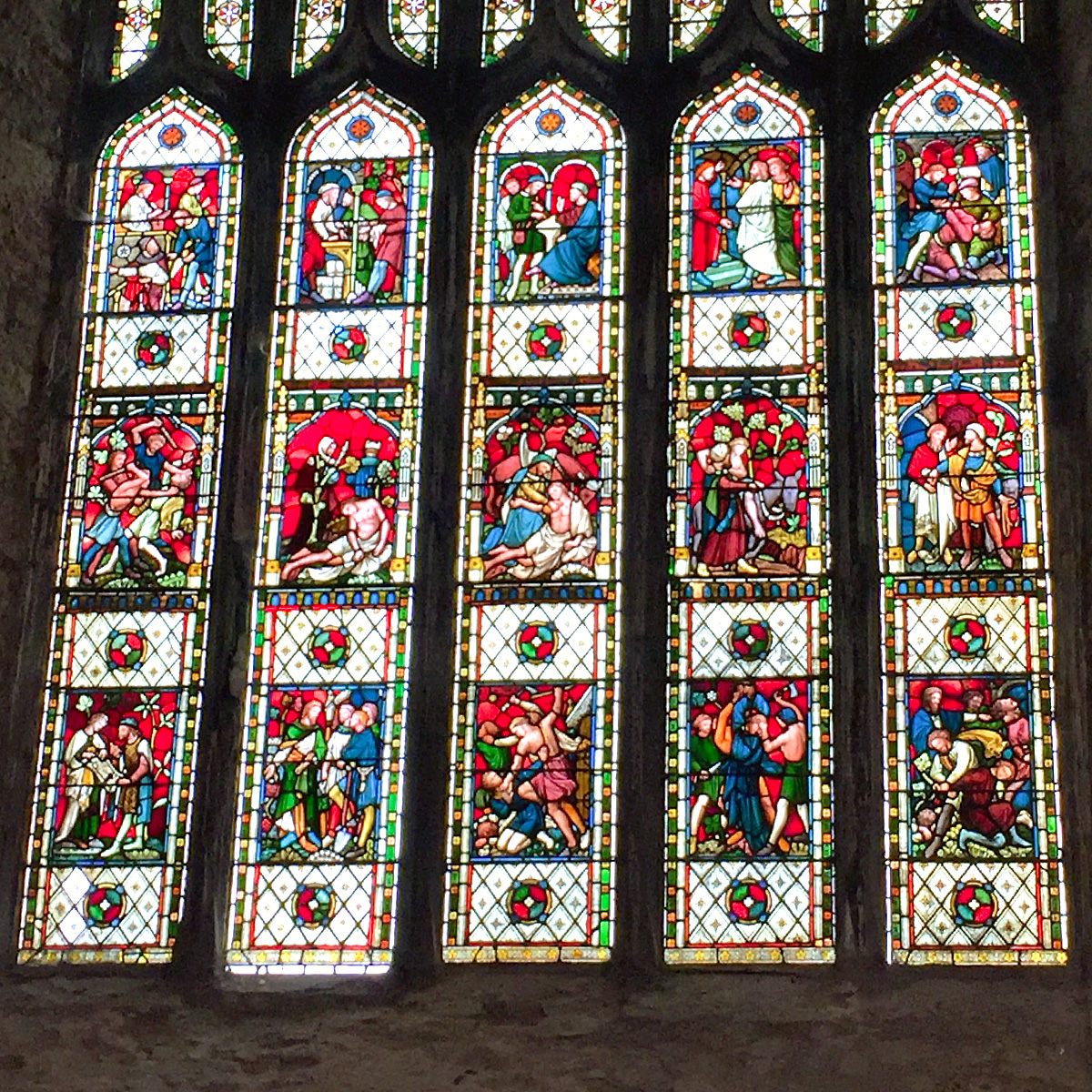
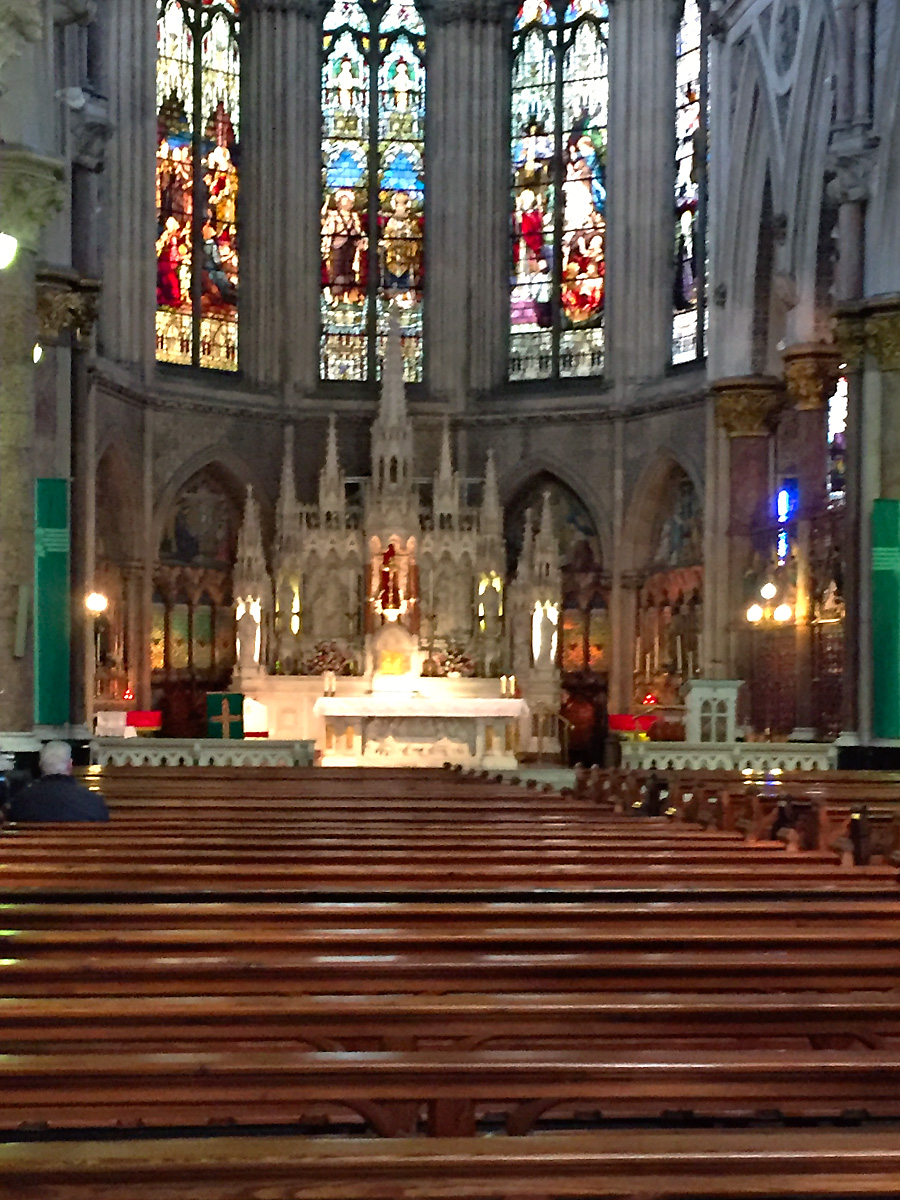
We visited several churches in Ireland. Awe inspiring reverence, without exception.
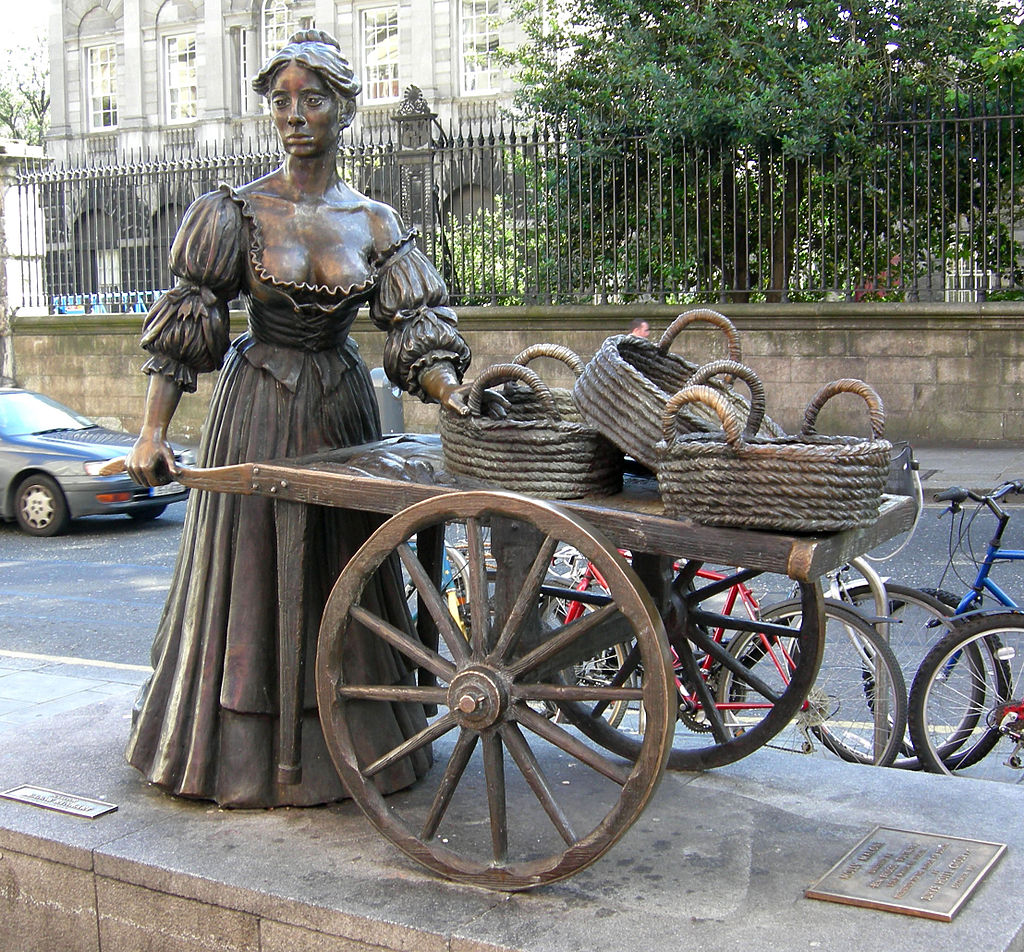
This is “The Tart with a Cart”. Molly Malone has been made famous by the 1883 song that tells the tale of a fishmonger who plied her trade on the streets of Dublin, but who died young, of a fever. It’ has been suggested that she was a part time prostitute at night, in contrast she has also been portrayed as one of the few chaste female street-hawkers of her day. There is no evidence that the song is based on a real woman. The “tart” thing is a nickname for the statue. Dublin has many statues and the townspeople have given most of them tongue in cheek nicknames. There’s “The Hags with the Bags”, “The Stiletto in the Ghetto”, “The Prick with the Stick”, and many more. It’s a perfect demonstration of the Irish sense of humor.
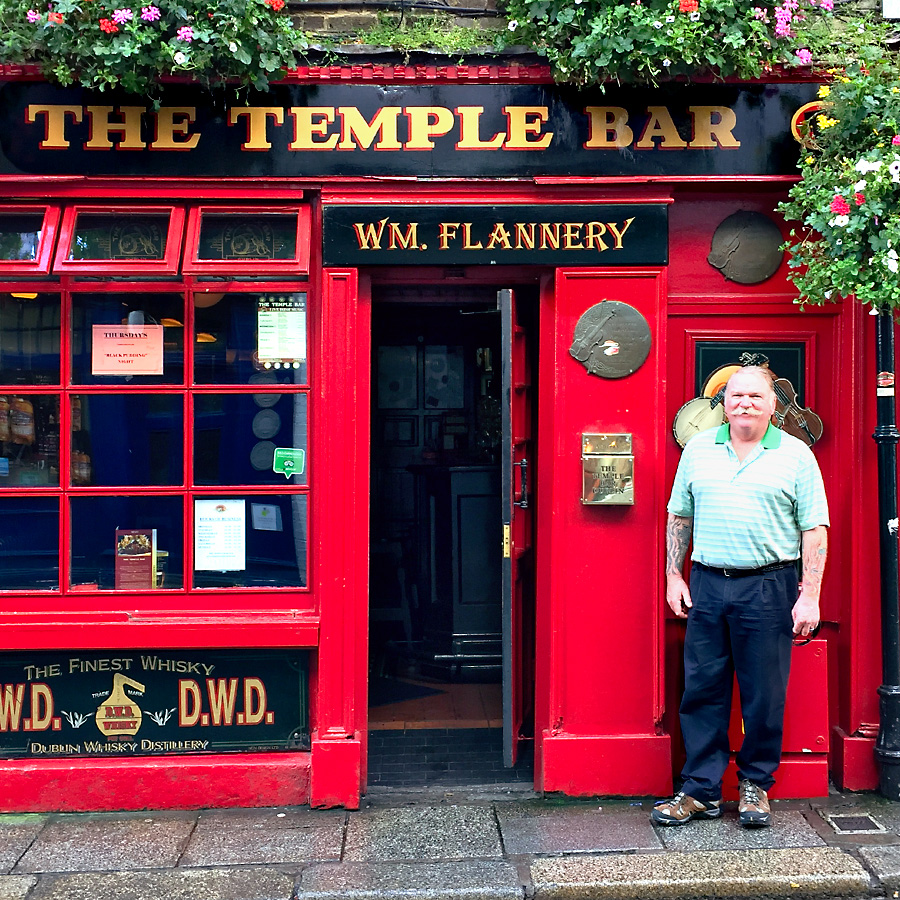
 Time to wrap this up. And what better way than on the way into one of the renowned pubs in Dublin. We enjoyed lunch and an adult beverage or three before getting back on the train to our hotel and packing up to leave the following day.
We thoroughly enjoyed our second trip to Ireland and are already talking about what we will do next time we visit. Sláinte – Erin go Bragh