Golf in Ireland
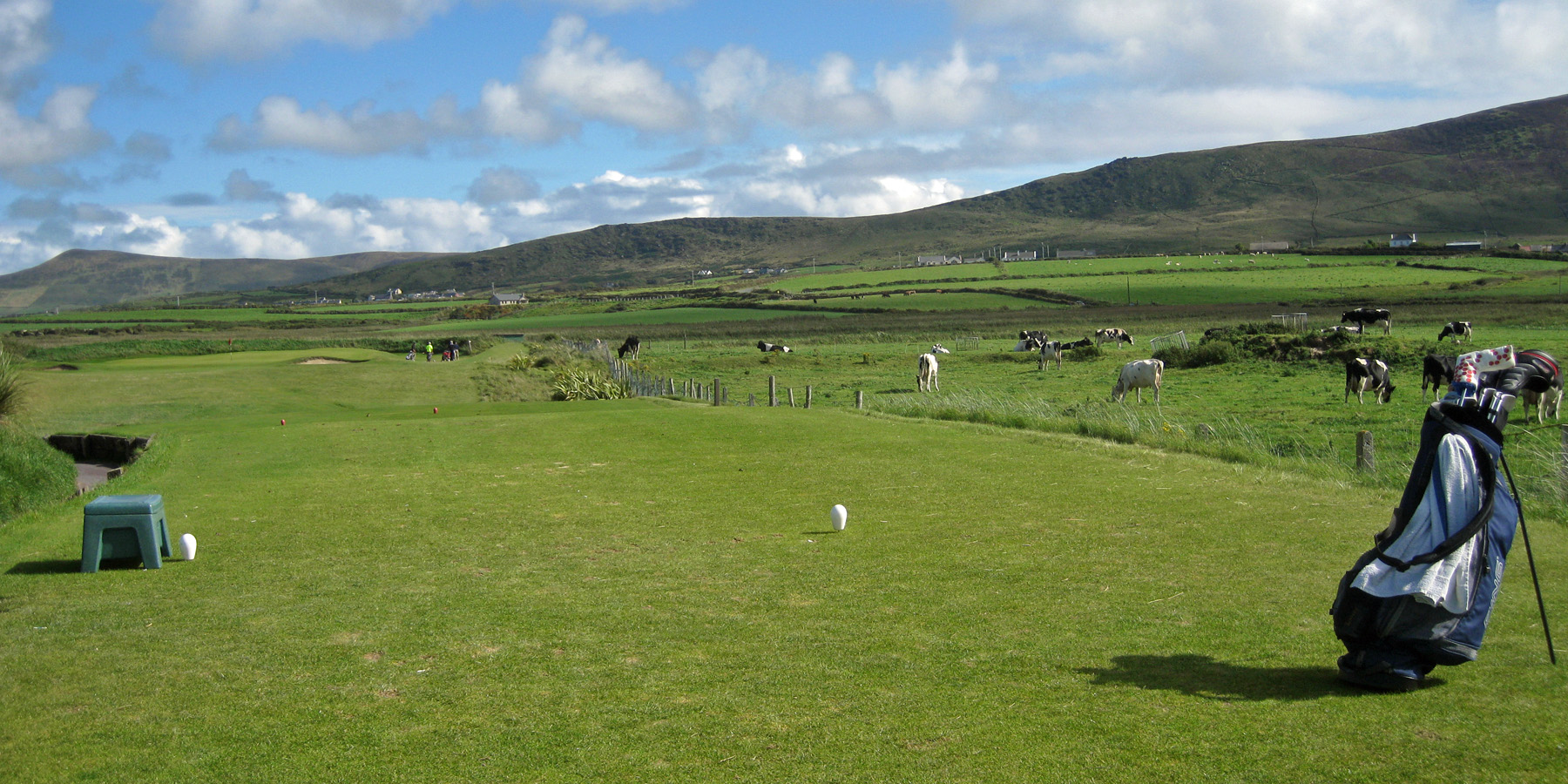
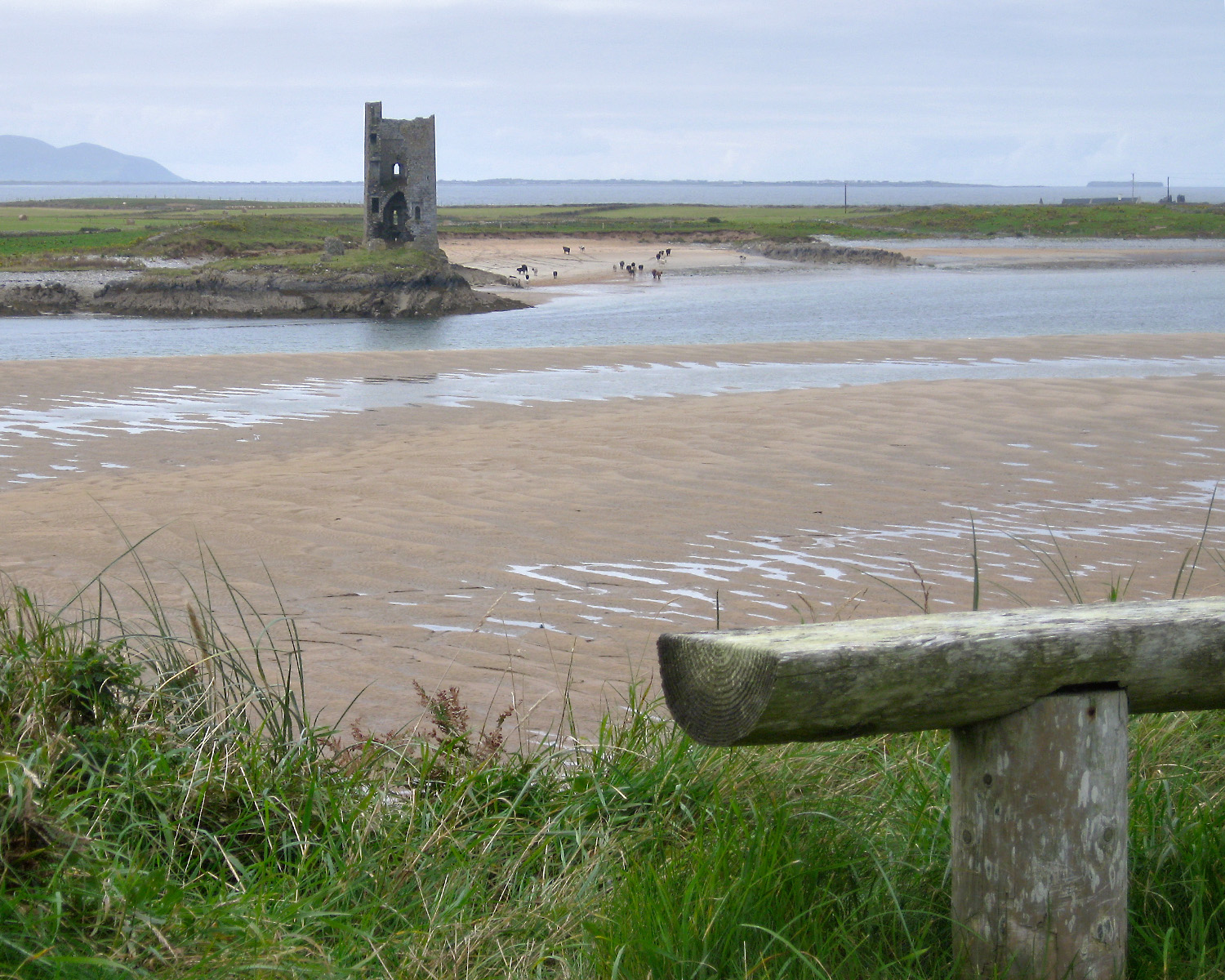
Our introduction to golf in Ireland – Dingle Golf Links. Very close to “Cow Pasture Pool”
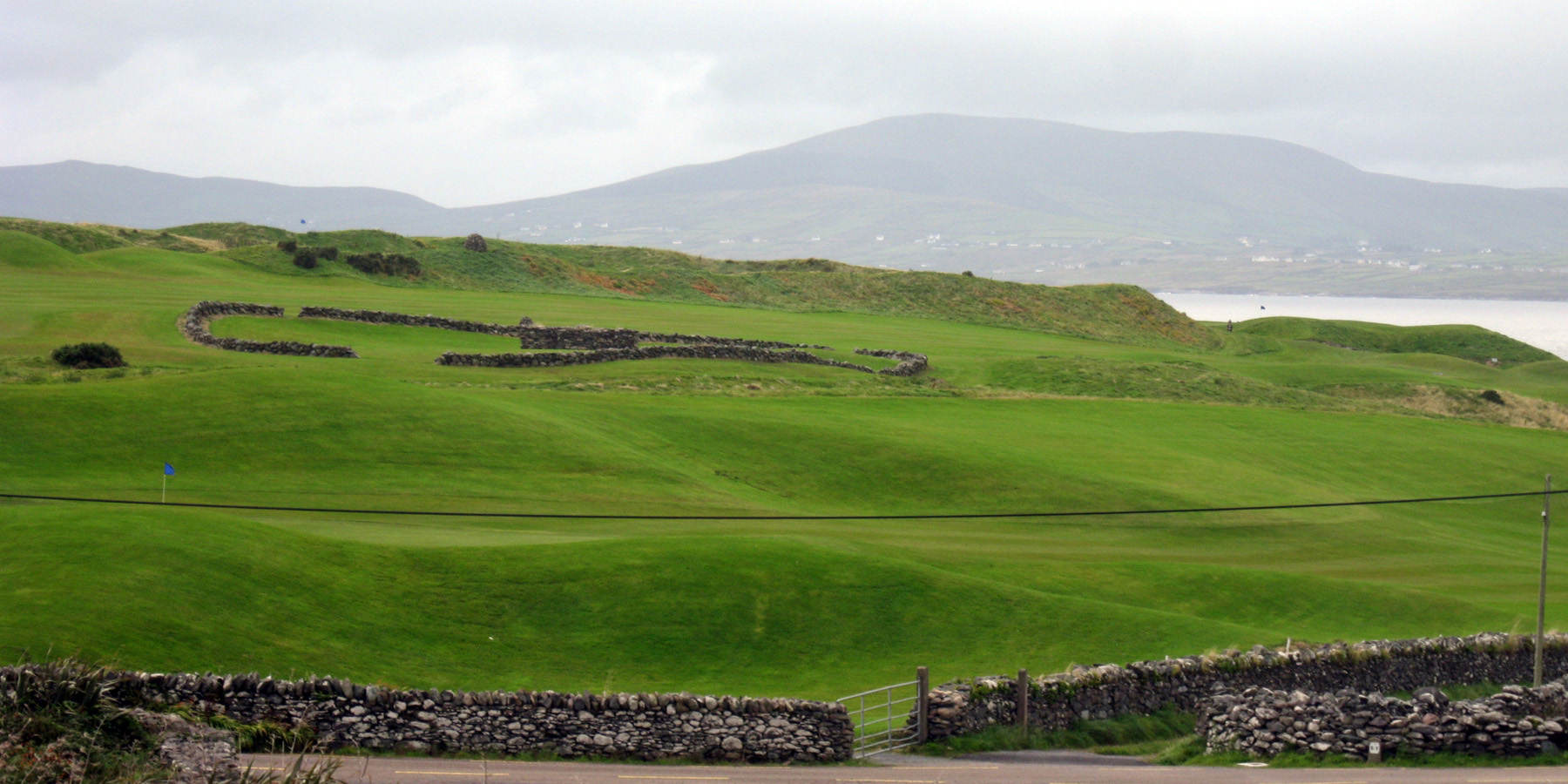
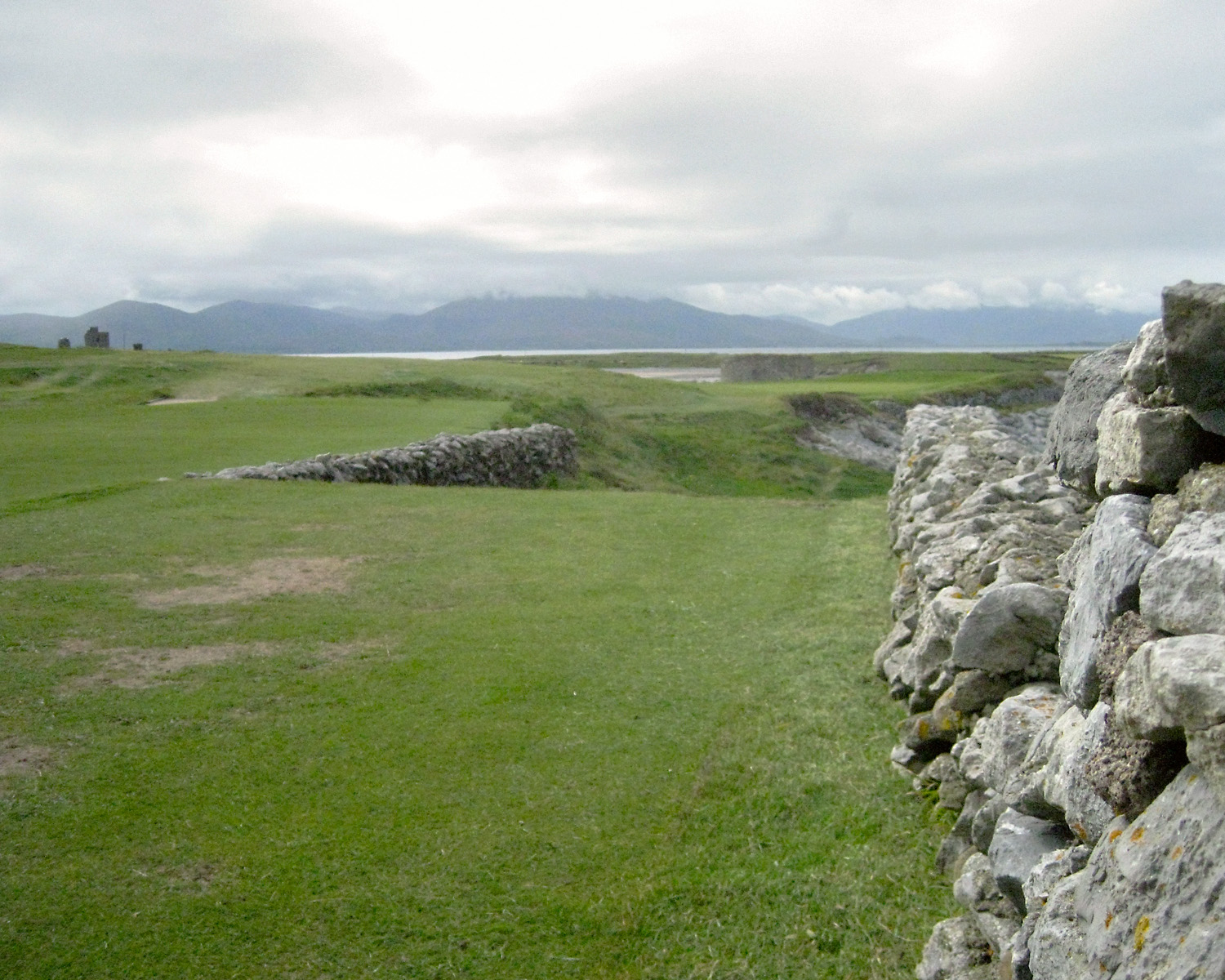
The first hole at Skelig Bay Golf Club. The course is framed by these low rock walls that you see throughout Ireland. Many of the walls were built during the Potato Famine 1845-1848. Land owners would pay for the workers labor with small amounts of food. The Irish are a proud people and would not take the food without working for it. Megalithic stonework hundreds of years old, including these stone circles, the remnants of a ring fort or fairy fort. are all over the golf course.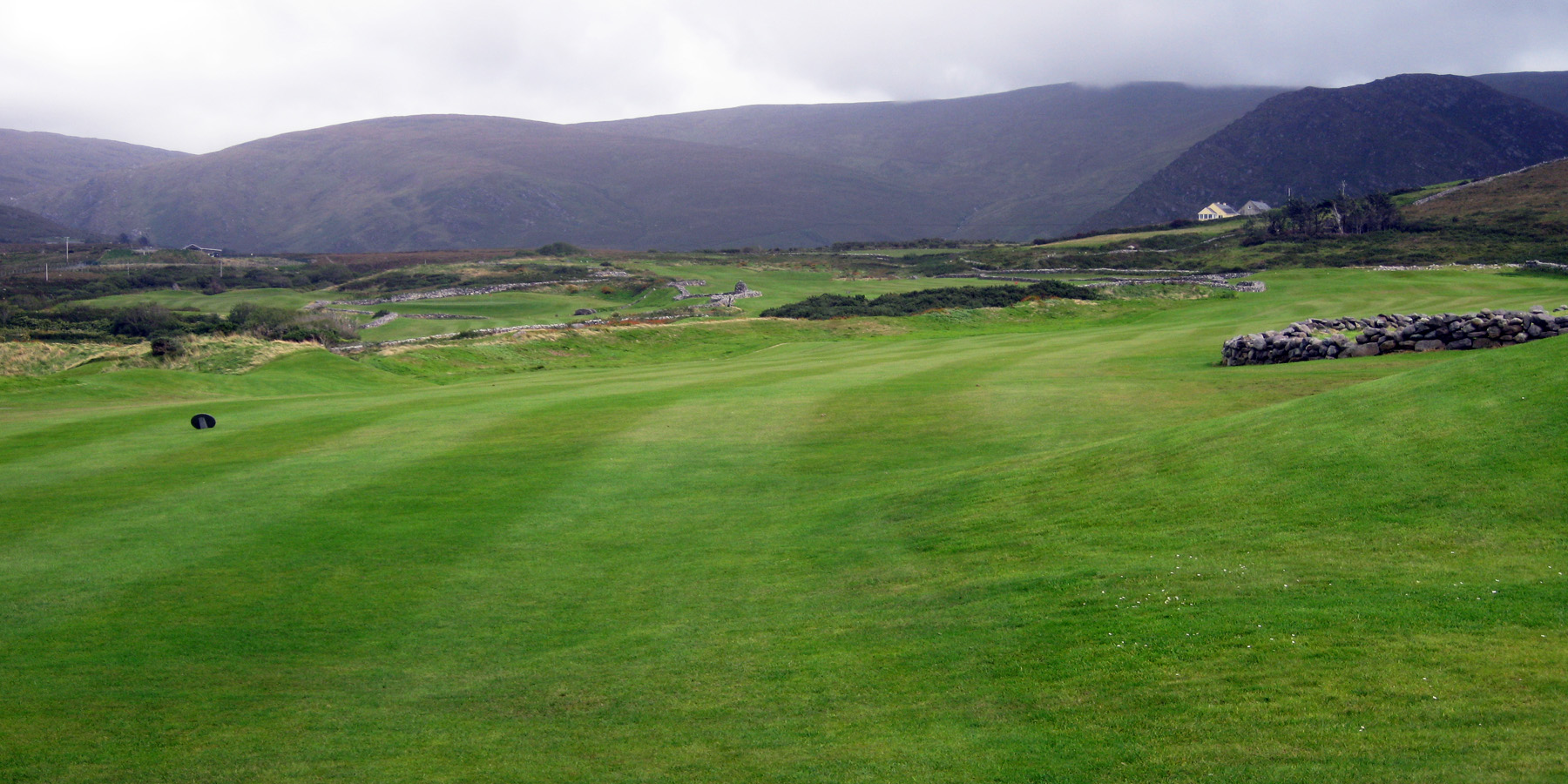
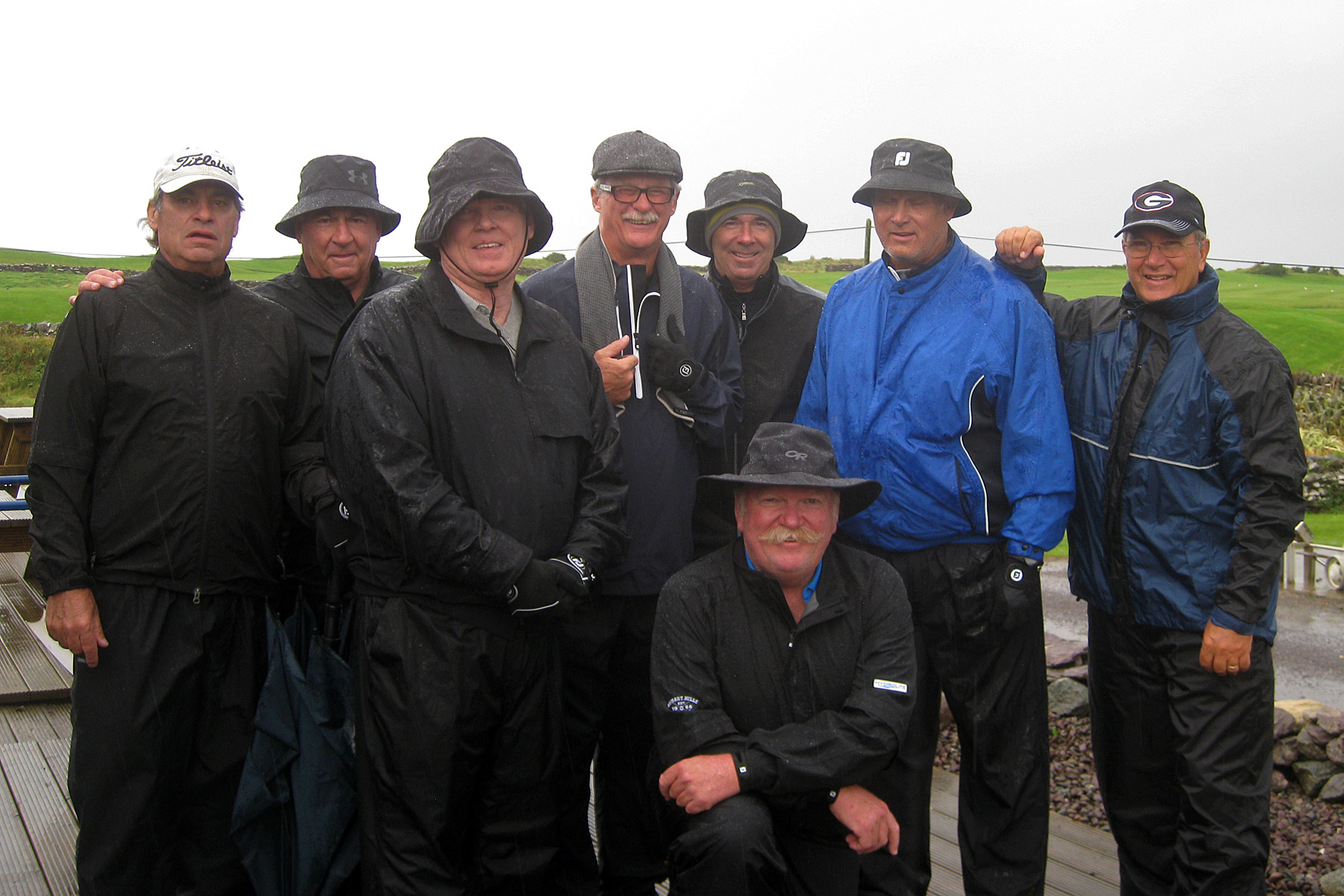
It was raining hard enough when we got to Skellig Bay that the girl in the pro shop was quite surprised to see that we even bothered to show up. She was even more surprised when we decided to, “Play nine and see how it goes.” It stopped raining after about 12 holes – a waterlogged golf bag is really heavy – I’ll take a trolley (pull cart) next time!!
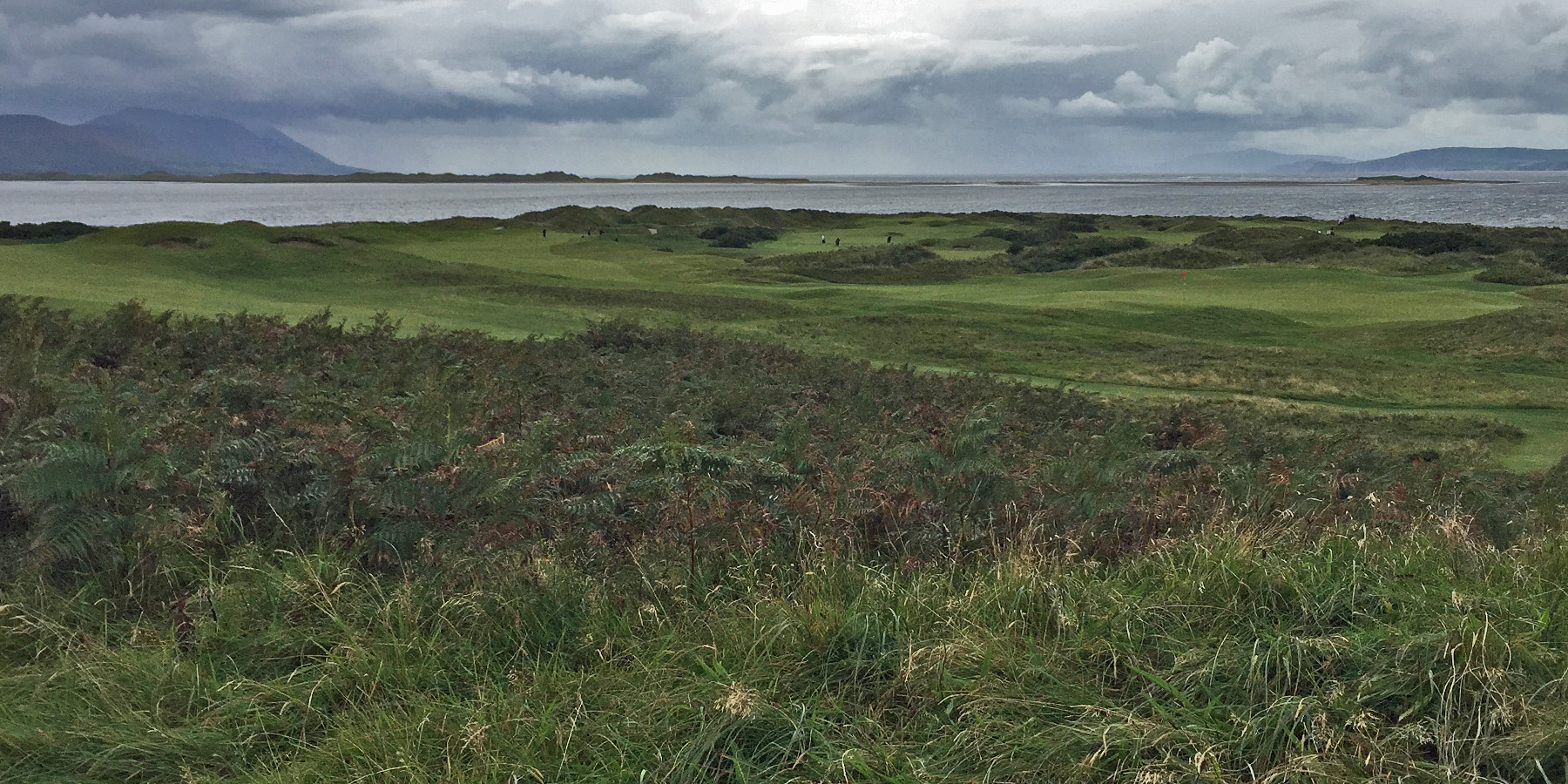
Dooks (pronounced Dukes) was established in 1889 and has a very interesting history. The rough you see here is deep and almost impossible to find a golf ball in. If you do find it – unplayable lie guaranteed. We played everything not specifically marked as OB as a lateral hazard.
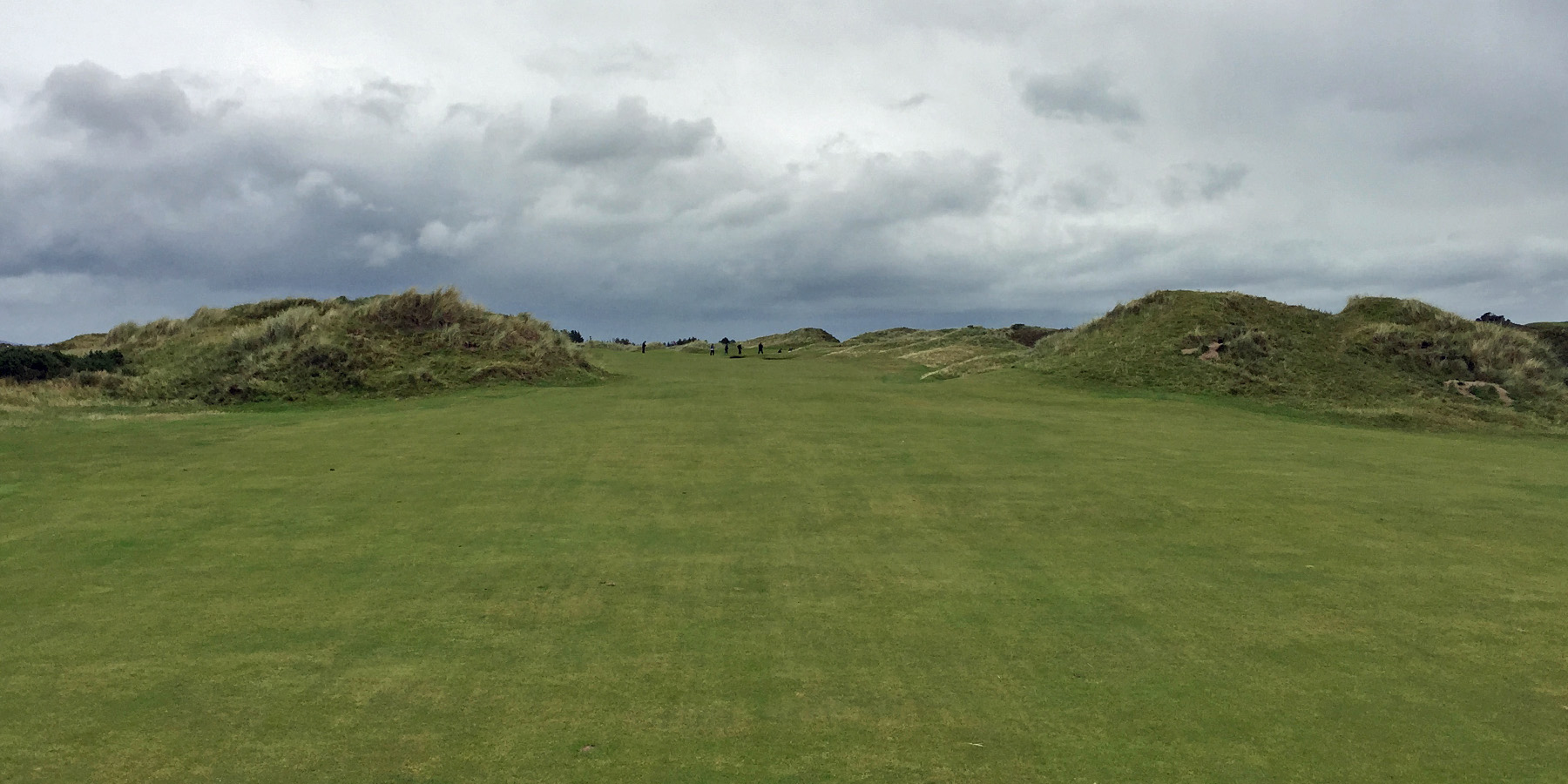
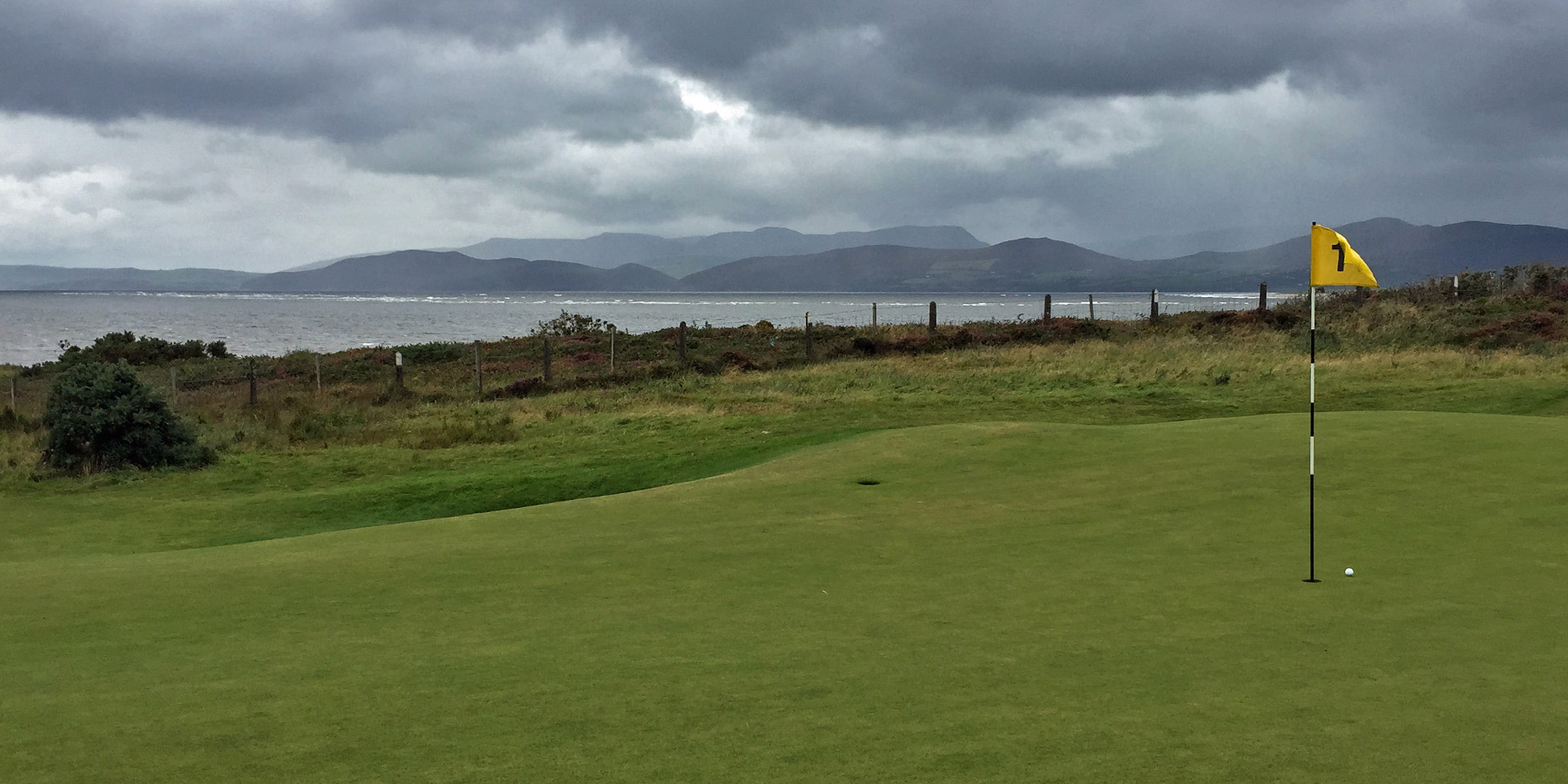
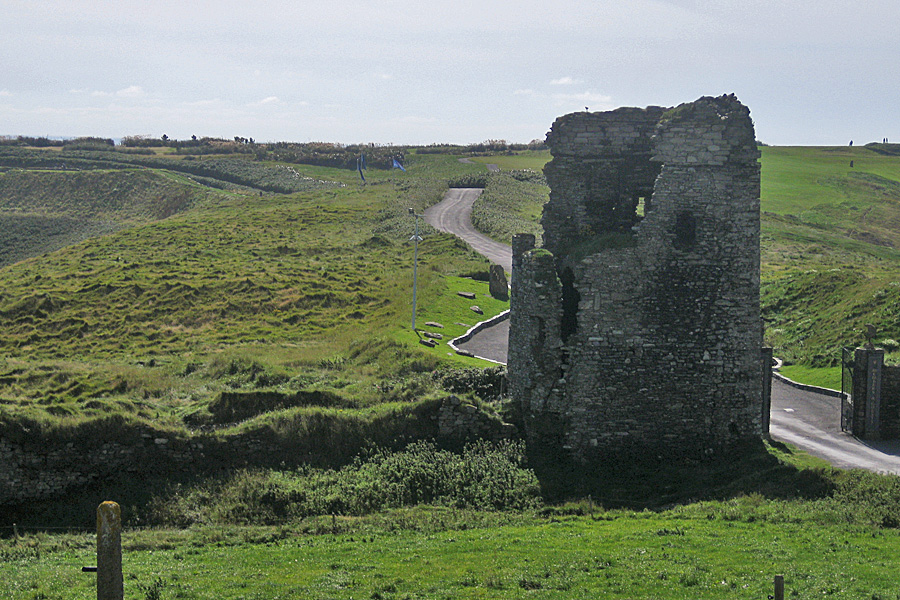
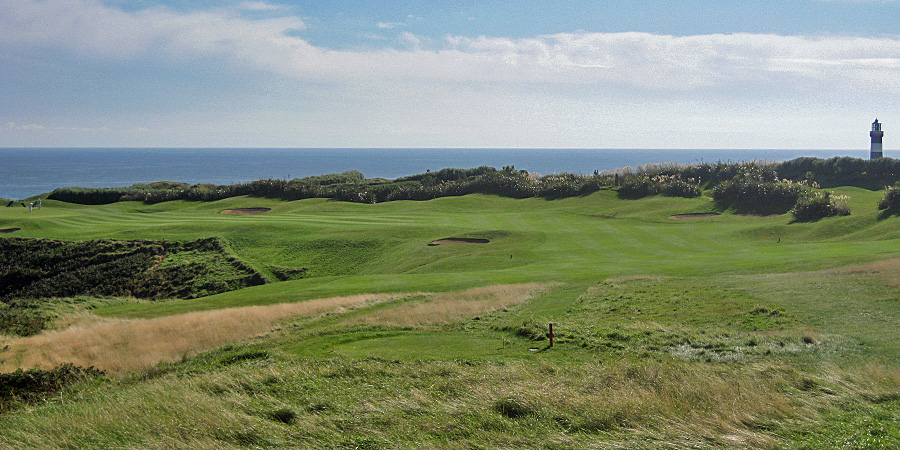
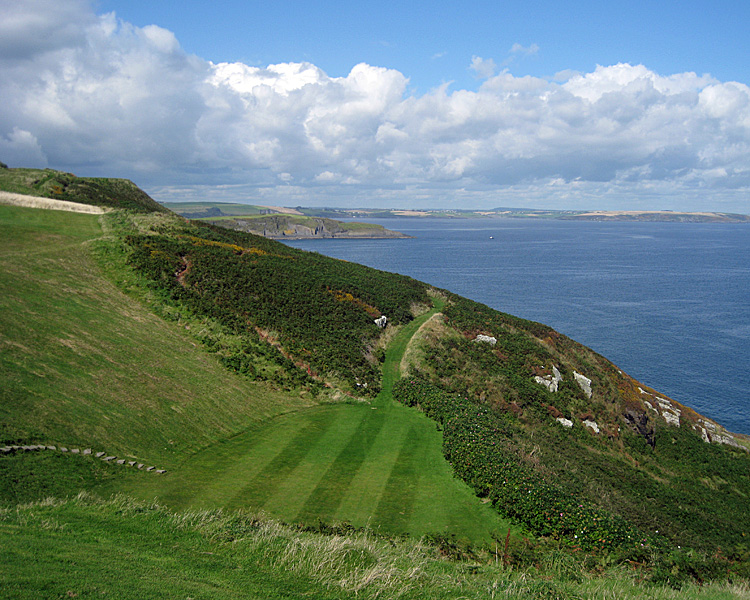
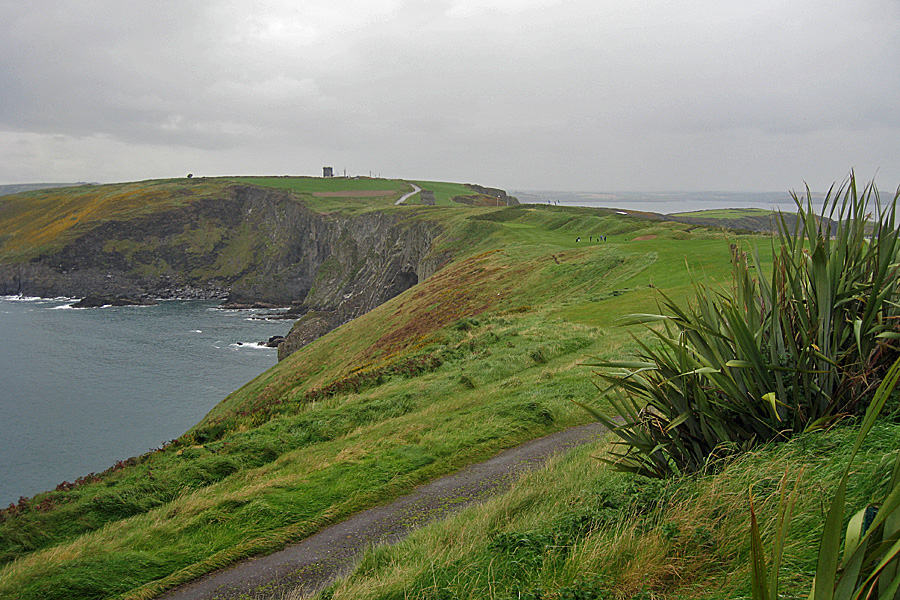
At the entrance to “The Old Head” This is a beautiful course right on the water with some awesome views. We were lucky enough to have awesome weather for our round of golf here. It did end up raining a little, but as they are fond of saying over there – You didn’t come to Ireland for the sunshine.
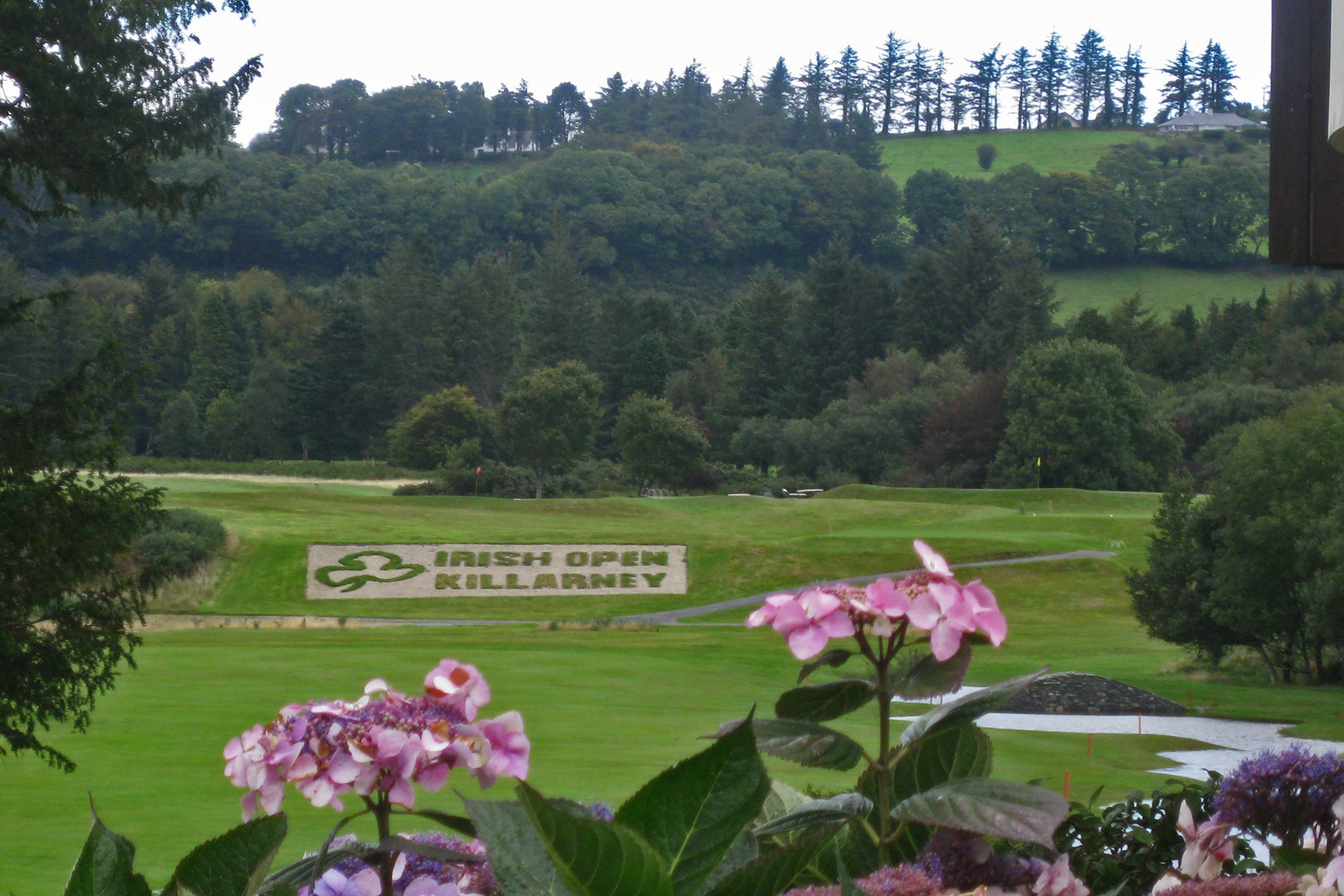
So far we’ve only played links courses. Non links courses are called parkland courses in Ireland. This particular parkland course is the Killarney Golf & Fishing Club and hosted the Irish Open in 2010 and 2011. Nice course – this is the only picture…..
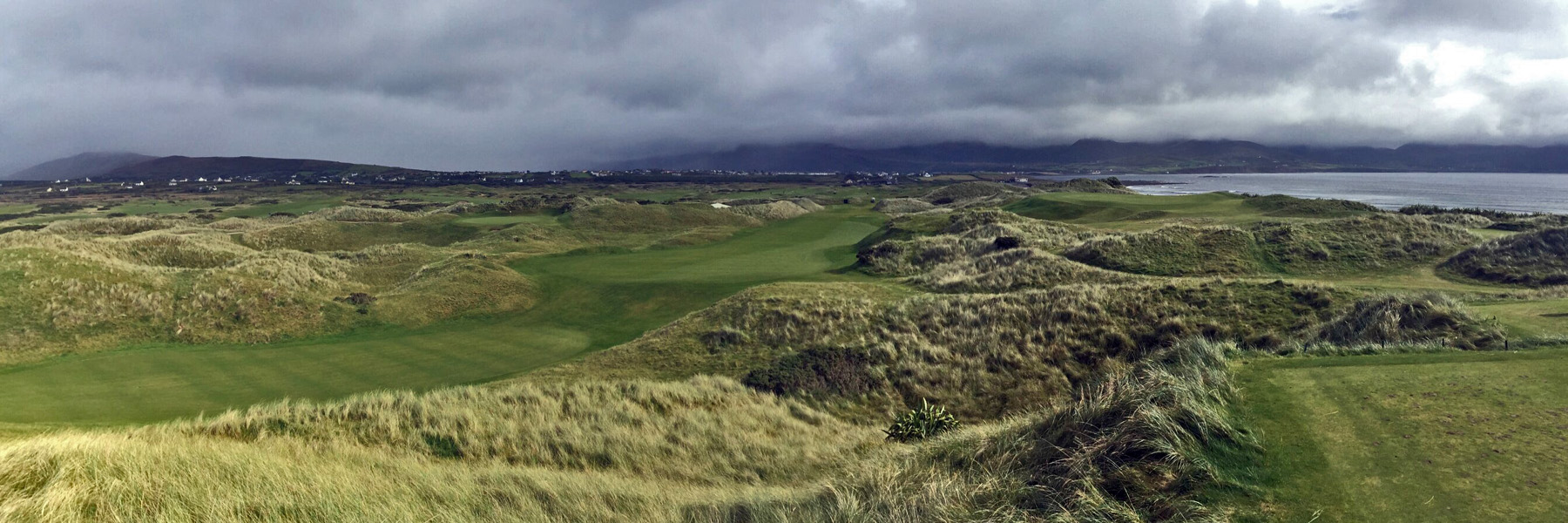
Waterville Links was by far my favorite course in Ireland. It is one of the best courses in the country but is kinda out in the sticks. Many American golfers used to come here to tune their game up for the British Open. Payne Stewart fell in love with Ireland and the people in the town of Waterville. He told them he wanted to be the mayor; they informed him that they didn’t have a mayor but that being the captain of Waterville Links was a bigger deal. Payne was made honorary captain of Waterville for the 2000 season, tragically he died just a few months later.
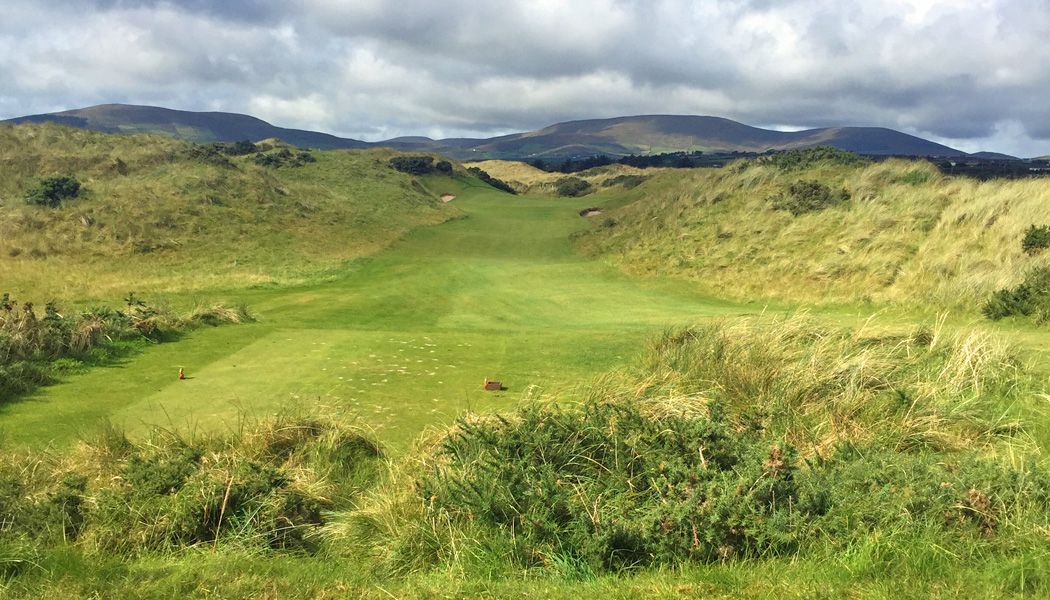
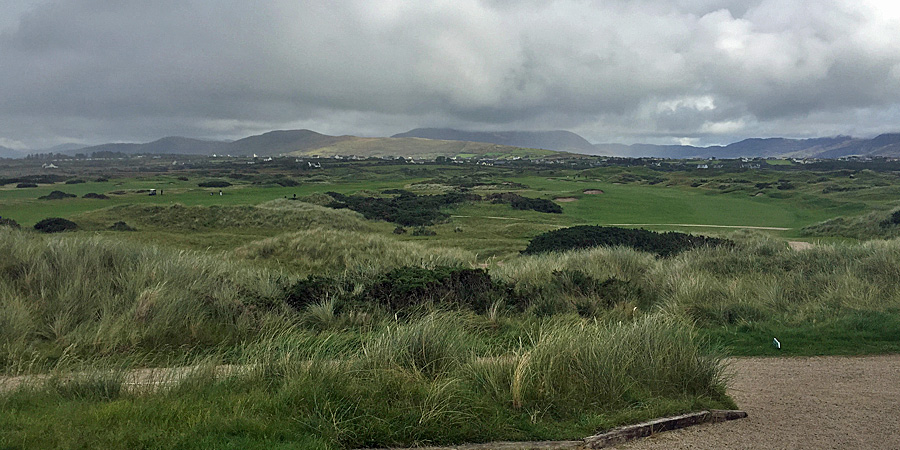
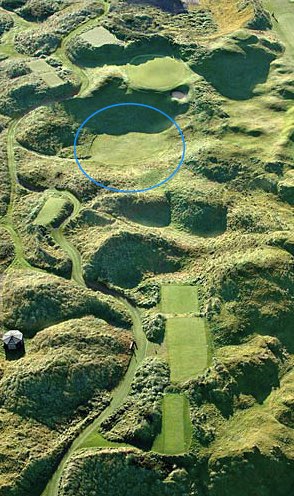
In the 18th century the celebration of Mass was punishable by death in Ireland, forcing the local population to use this secluded valley to hold their services. The original plans for the links design called for a green to be placed in this hidden valley. However, the local workers declared the area sacred ground and refused to disturb the site. A compromise was reached with the green being placed on the hillside overlooking “The Mass Hole.” Recently the original owner of Waterville Golf Club died. They held very private services for him – right here.
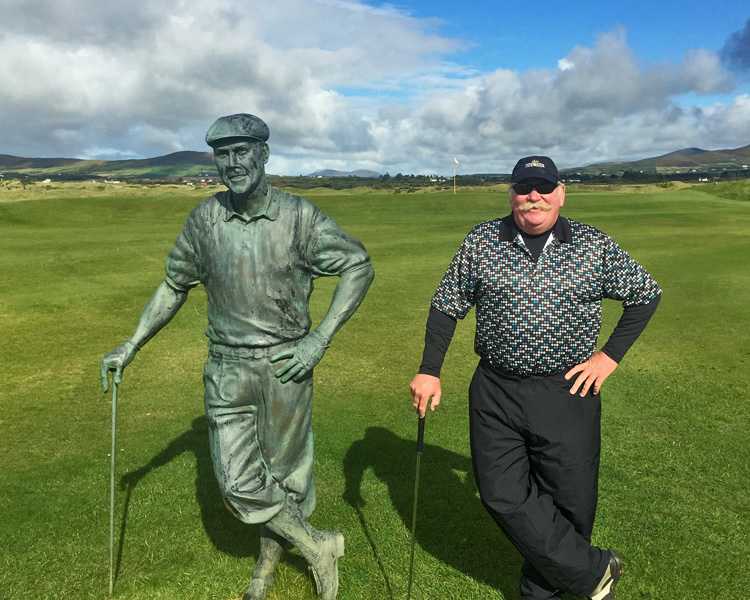 Too Bad I didn’t have my plus fours for this picture. I was playing golf in knickers before Payne was – I have a picture somewhere. This place sells some very cool knickers if you’re interested. One last picture from Waterville Golf Club.
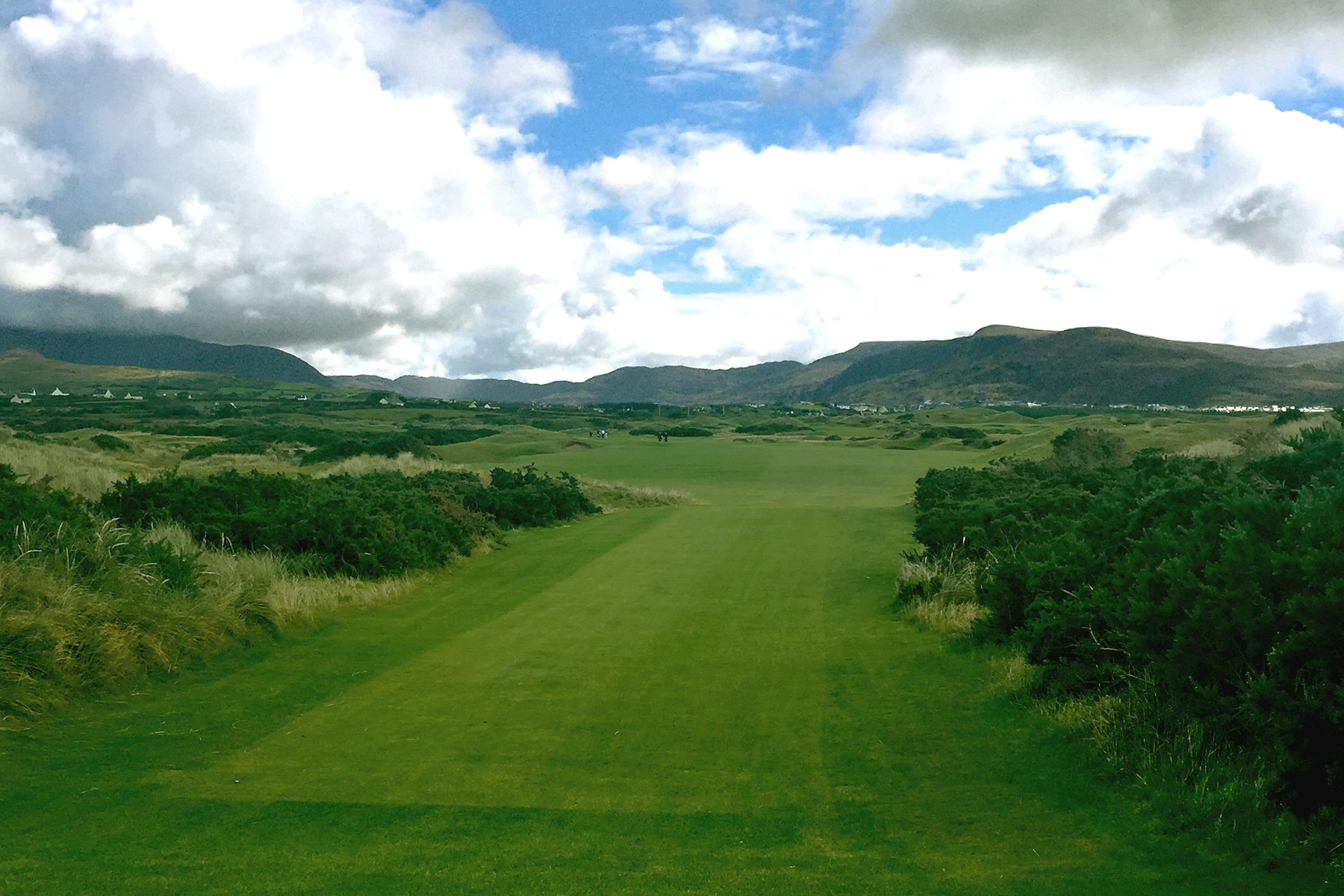
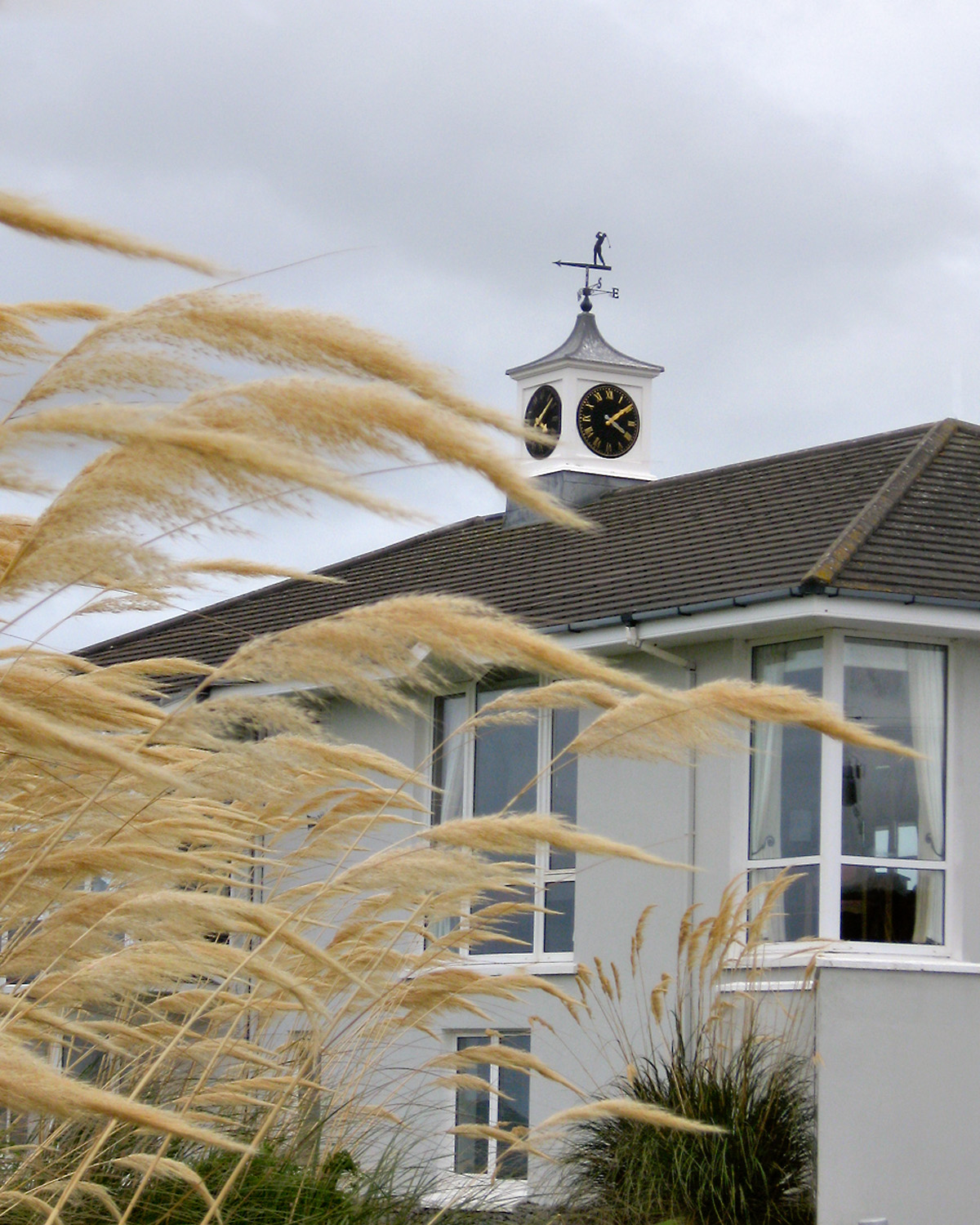
The Tralee Golf Club is an Arnold Palmer design. He designed this course in the early 1980s – though golf has been played in Tralee since the late 1800s. Palmer has said that he designed the front nine, but that God created the back nine, a truly incredible series of holes, featuring dunes that resemble a mountain range and heroic holes along the coast. Placed on opposite corners of the beachhead, Tralee’s outward nine was a stretch of very strong golf holes, but they were just a warm-up for the madness that would ensue on the way in. As recounted in “True Links,” “in terms of pure scenery, Tralee is comparable to its neighbor Old Head, to Pebble Beach in California, or to Nefyn & District in Wales. Film director David Lean was so smitten with the site that he used the first and second holes for several scenes of “Ryan’s Daughter.””
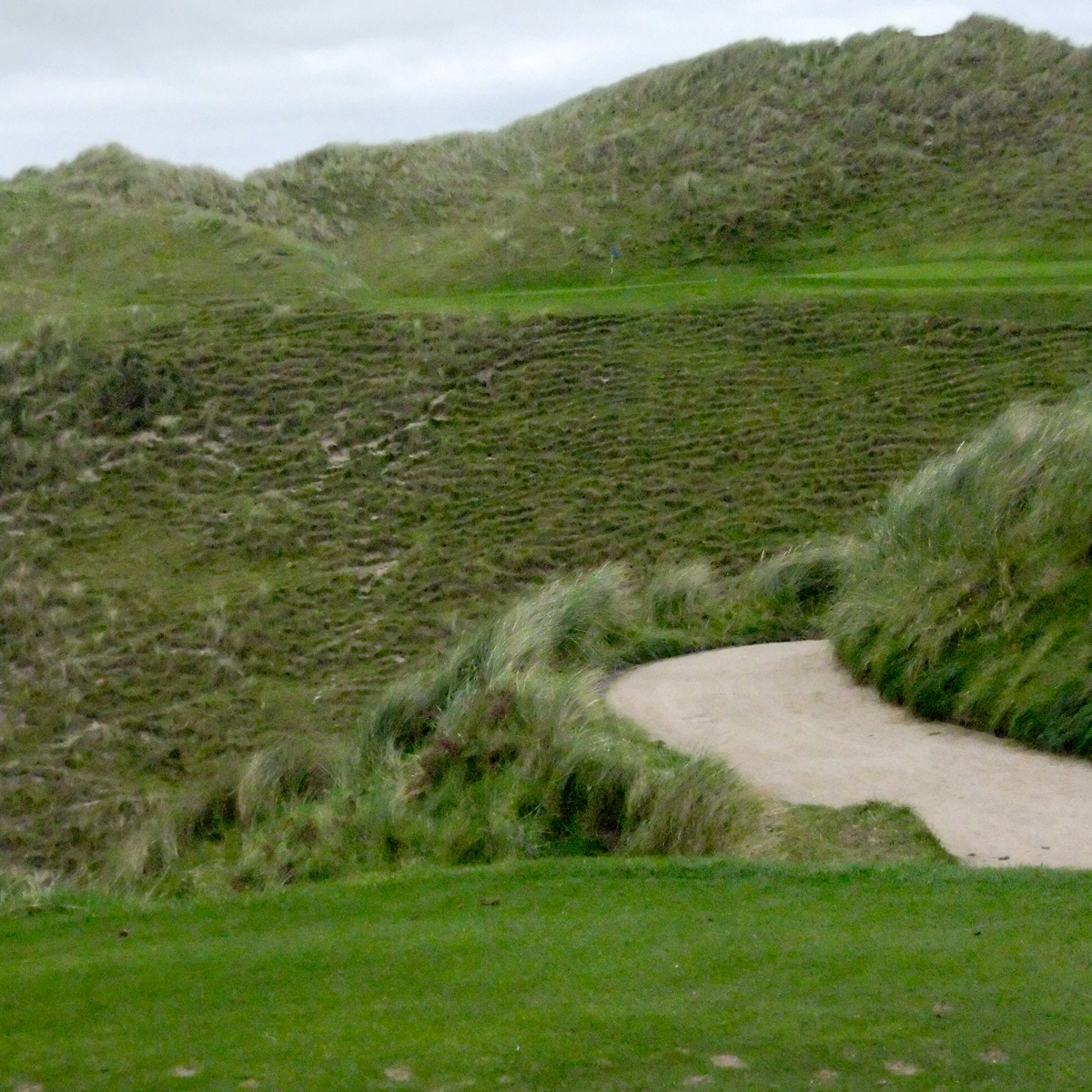
No. 17, a 353-yard par 4, is cited in “The 500 World’s Greatest Golf Holes”: “The forced-carry tee shot is played to a fairway that can only be called rugged, and even that is an understatement. Playing the hole into a strong headwind requires a Herculean effort, which will be long forgotten upon reaching the small, highly perched green.”
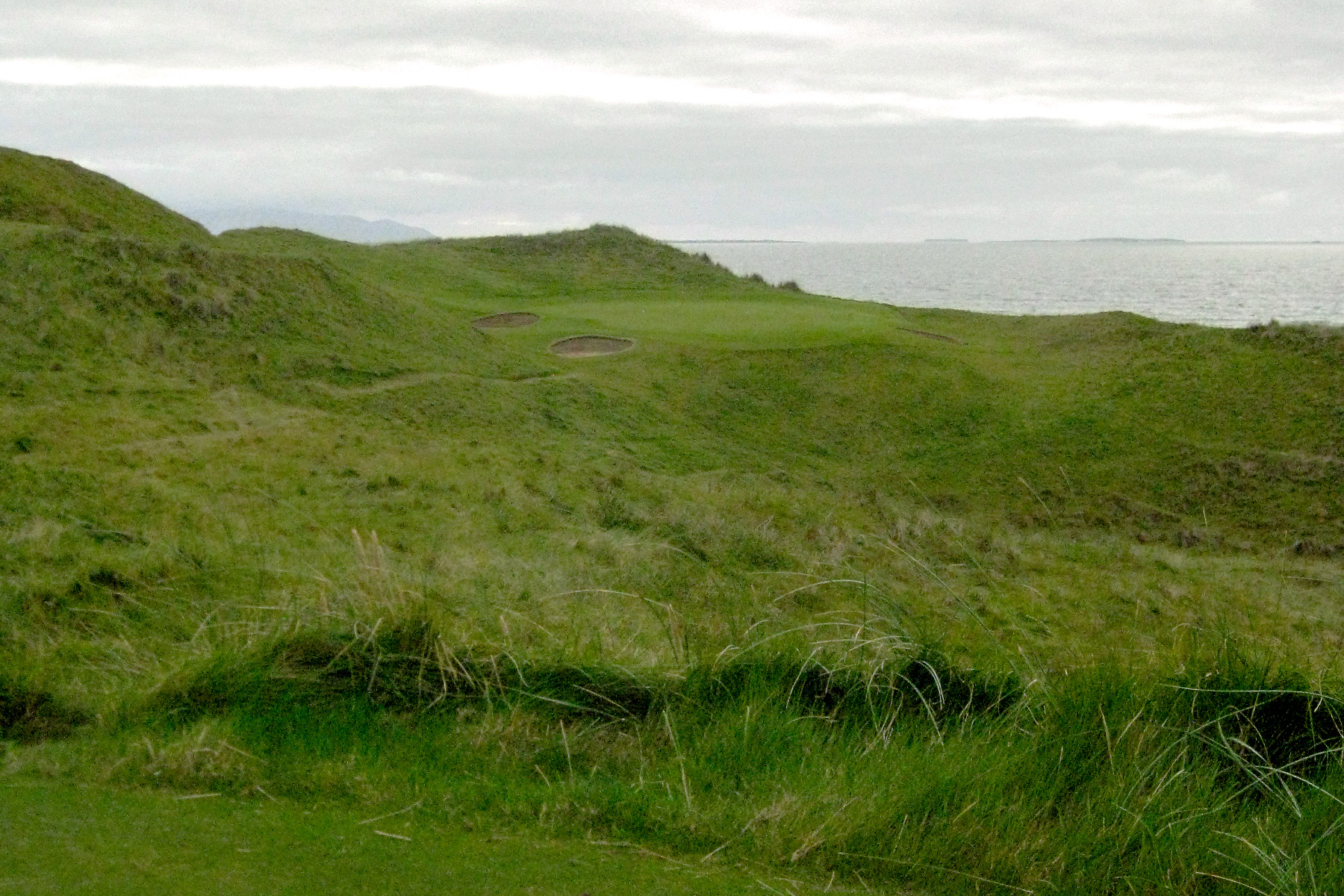
On the back nine, Palmer’s Peak is a par 5 that climbs through a narrow opening of dunes. No. 13 is Brock’s Hollow, a par 3 framed by a huge dune; No. 16 is Shipwreck, another par 3, over a chasm, where when the wind’s blowing, you have to aim your tee shot over the ocean and trust that the wind will bring it back. Luckily, the wind wasn’t blowing that hard when we played.
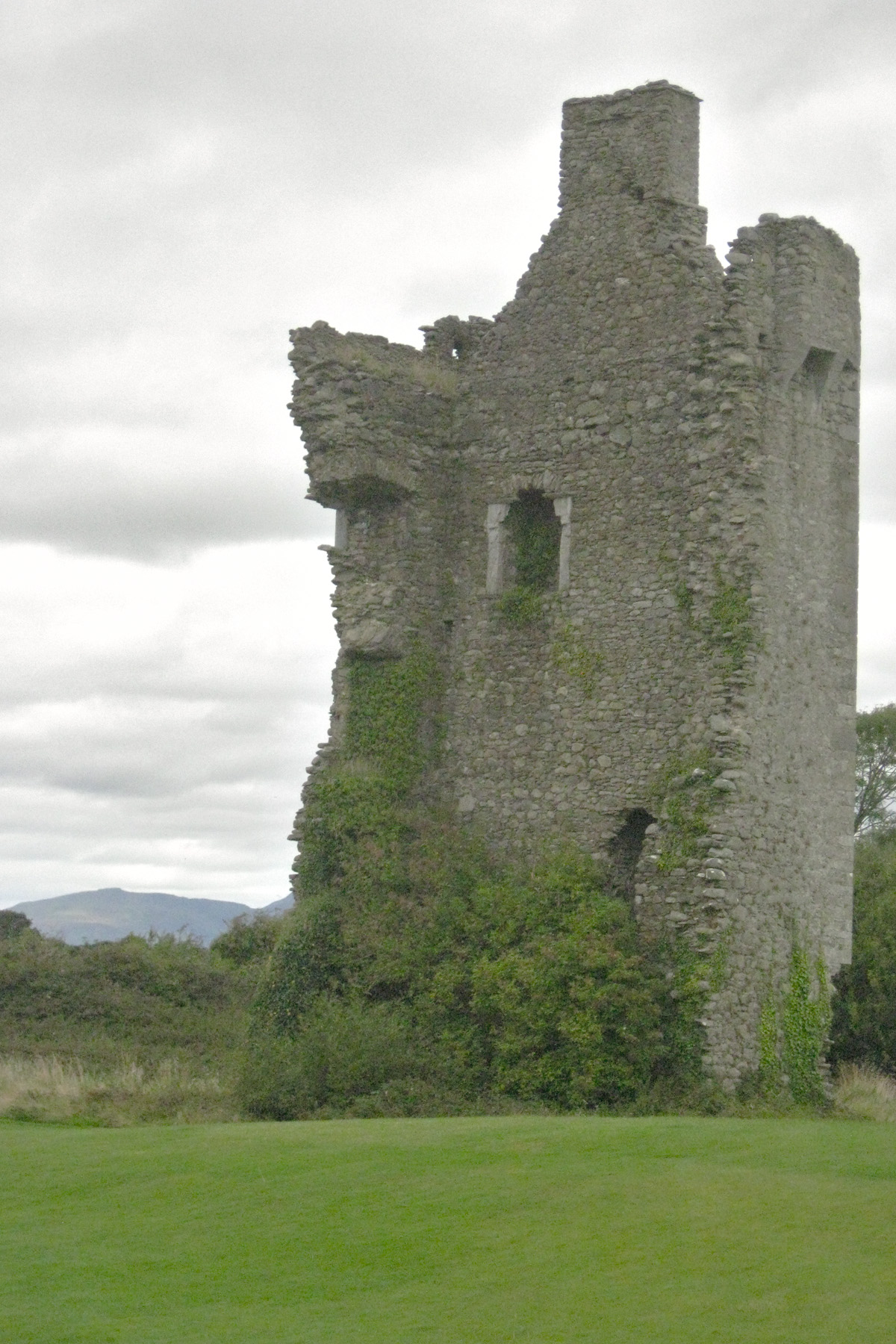
Our last round of golf was played at a parkland course just down the road from where we stayed. Beaufort Golf Club was a fun course, this is the only picture I took. This is the remains of Castle Core originally built around 1480 and it’s right next to the 15th green and the 16th tee box. It’s amazing to me how these historical buildings are so abundant that nobody even gives them a second thought.
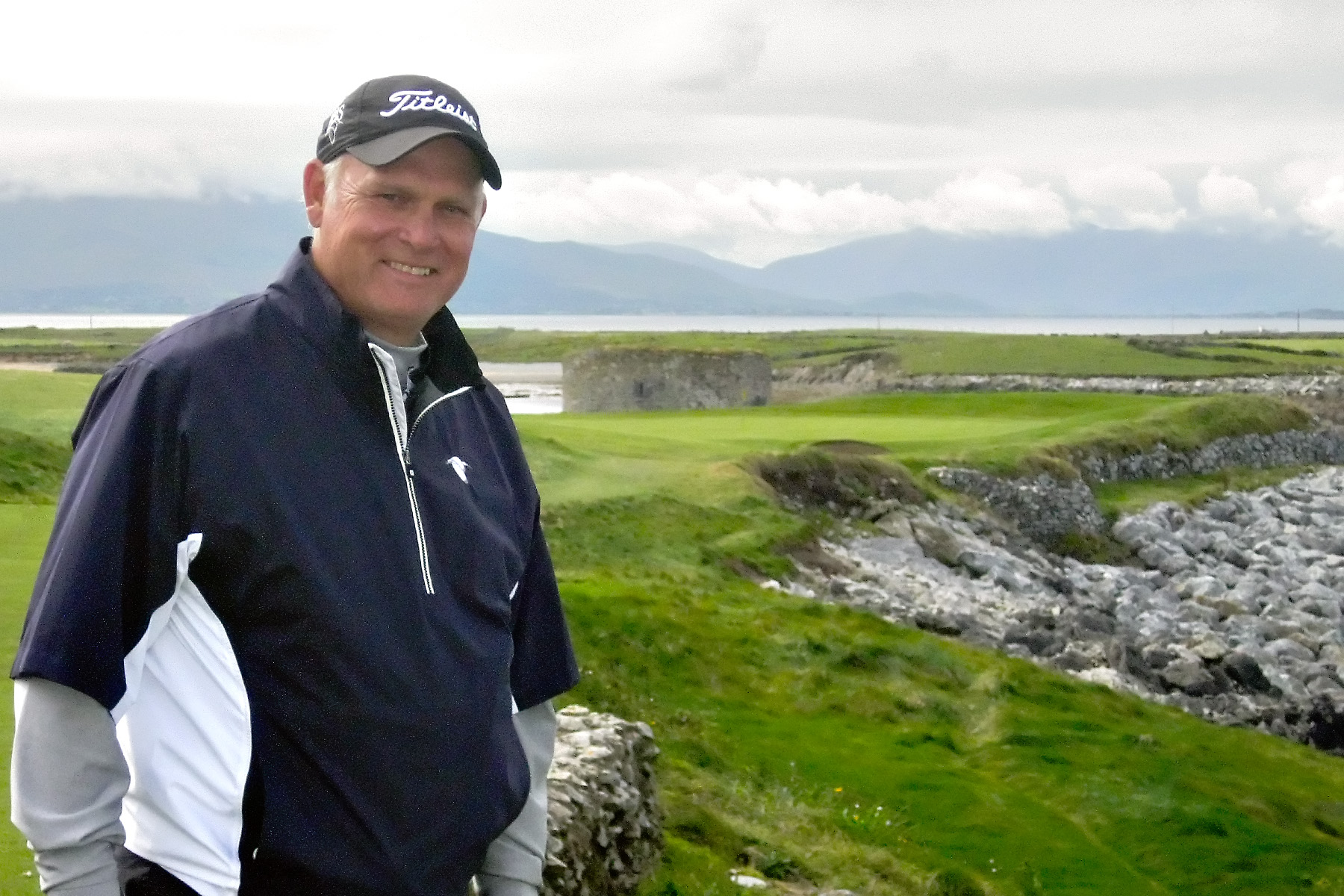
Lastly, I’d like to thank my very good friend Scott who set the whole thing up. It was truly the trip of a lifetime and I appreciate the Blue Water Boys allowing me to fill in when they had a last minute vacancy.
Lenny , all I can say is amazing !!!
Another place to add to my Bucketlist …